
Coverage line
Commercial Auto Insurance for Warehouse & Distribution Fleets
Coverage for the fleet a warehousing or distribution operation runs in service of its own business — route-delivery trucks, final-mile vans, and the yard trucks and shuttles that move goods between the dock and the destination, plus the hired and non-owned vehicles the operation relies on.
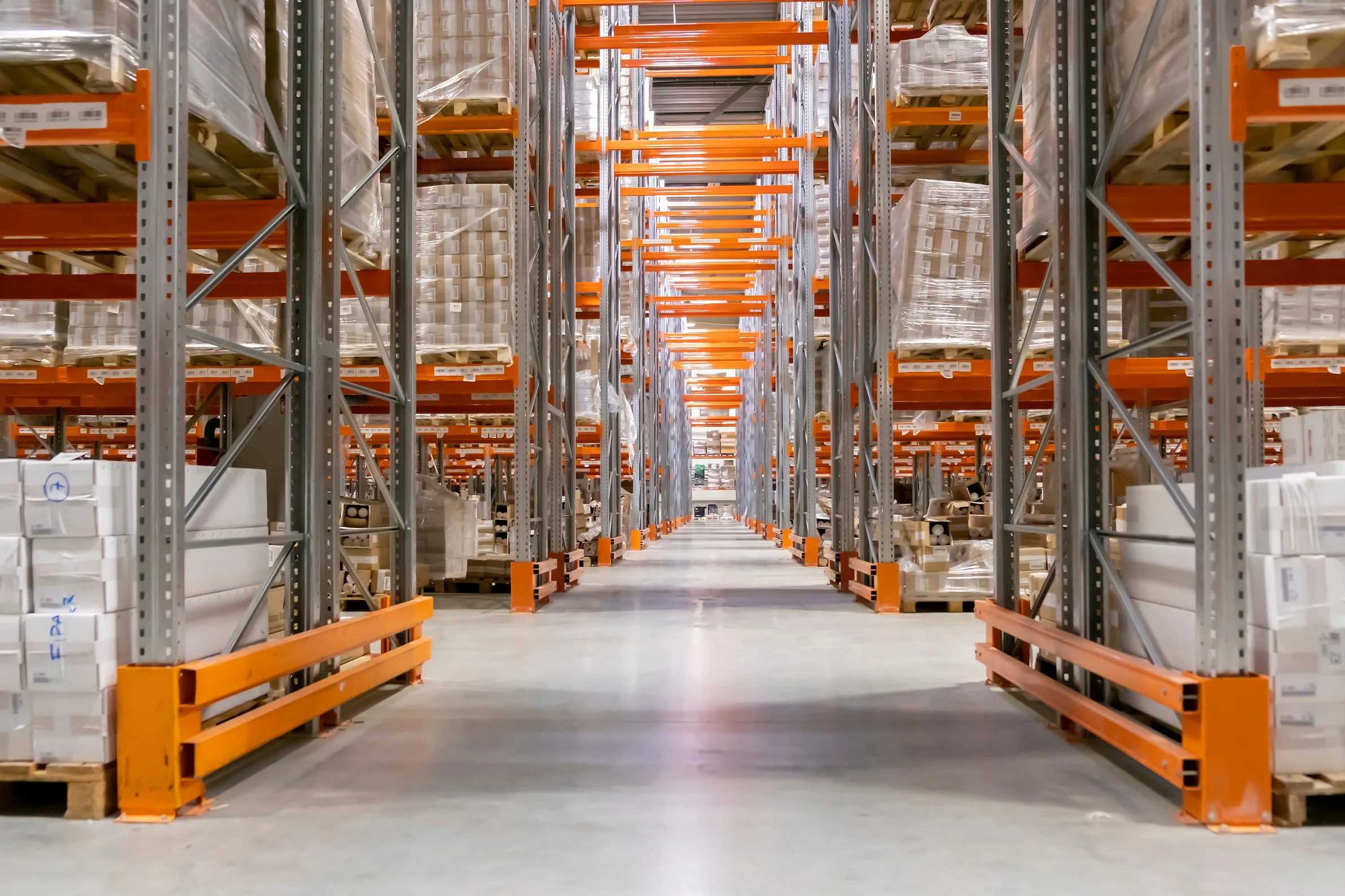

Commercial auto is the coverage that follows your operation onto the road. For a warehousing or distribution business, the building is only half the picture — the other half moves, on the route trucks that carry product to customers, the final-mile vans that finish the delivery, and the yard trucks and shuttles that reposition trailers and freight around the site. Commercial auto answers the liability when one of those vehicles is in an at-fault accident, and the physical damage to the vehicles themselves.
One point of language before anything else, because this trade trips on it constantly. The word insurance carrier means two different things here. Your insurance carrier is the company that writes your policy and pays your claims. A motor carrier, or freight carrier, is a business that hauls goods for hire. This page is about insuring the fleet a warehouse or distributor runs in service of its own operation — not about for-hire carriage. Whenever this page says insurance carrier without qualifying it, it means your insurance carrier; the trucking sense is always spelled out.
The fleet: route delivery, final mile, and the yard
The vehicles a warehousing or distribution operation runs fall into a few recognizable groups, and each one carries its own exposure. Route-delivery trucks move product from the facility to customers on scheduled runs — the backbone of a distribution operation, on the road and in traffic all day. Final-mile vans finish the job, carrying goods the last leg to a customer’s door or dock, often in dense, stop-and-go conditions where accident frequency runs high. And the yard trucks and shuttles — the spotters and yard tractors that move trailers around the site, plus any vehicles shuttling freight between buildings — carry a lower-speed but real exposure on and around the property.
Commercial auto is built to answer all of them. The auto liability side responds when your driver is at fault for bodily injury or property damage to others; the physical-damage side pays for damage to your own trucks and vans, whether from a collision or from other causes. For an operation whose product only reaches the customer because a vehicle carried it, the fleet is not a side exposure — it is core to how the business runs, and it is underwritten that way.
Owned, hired, and non-owned: the covered-auto designations
The standard business auto policy — the widely used industry form for commercial vehicles, the CA 00 01 business auto coverage form most policies start from — does not simply cover “your vehicles.” It uses covered-auto designations, a set of symbols that tell each coverage which autos it applies to. Getting those designations right is where a fleet is either fully insured or quietly exposed, and three of them matter most to a delivery operation.
The first is your owned autos — the trucks, vans, and yard vehicles the business owns and puts on its schedule. The second reaches hired autos: vehicles you rent, lease, or borrow to run the operation, the designation a distributor leans on when it brings in extra trucks for a peak season or a surge in volume. The third reaches non-owned autos: vehicles neither owned nor hired that are used on the business’s behalf — most often an employee’s personal car driven on a work errand, a real and easily overlooked exposure whenever staff run deliveries or supplies in their own vehicles. We name these by function rather than by their symbol numbers because the specific designations shown on your policy are what govern, and the editions vary; what does not change is the principle: an operation that rents trucks or relies on employee vehicles needs the hired and non-owned designations picked up, or it has a gap exactly where it does business.
The audience boundary: a fleet in service of the operation, not for-hire carriage
It is worth drawing one line cleanly, because it decides whether this is even the right program. We insure the fleet a warehouse or distributor runs in service of its own operation — the trucks and vans that move its product, or its customers’ freight, as part of running the business. A business whose only work is hauling goods for hire is a motor carrier, and for-hire carriage is a different insurance program with its own regulatory filings and requirements. That is not the account this page speaks to. If your vehicles exist to move your own distribution, your deliveries, and your yard, you are in scope here; if you are a pure for-hire trucking operation, the program looks different, and we would tell you so rather than fit a distribution auto policy to it.
Where commercial auto meets the rest of the program
Commercial auto sits next to two lines it is often confused with, and drawing the seams keeps the fleet from being either double-counted or left exposed.
The premises seam — general liability. The dividing line between commercial auto and general liability is the vehicle. General liability answers the premises and the operations — a visitor hurt on your dock, third-party property damage around the building. Commercial auto takes over at the road: the at-fault accident, the auto liability, the physical damage. Final-mile delivery is auto territory, not general liability, and the moment a loss involves a truck in motion it is an auto claim.
The cargo seam — stock throughput. Commercial auto covers the vehicle and the driving; it does not insure the goods riding on the truck. Damage to your own product in transit is answered by stock throughput, the marine-family line that follows owned inventory anywhere it moves, and a customer’s goods in your care are a warehouse legal liability question. The truck and the cargo are two lines, not one.
The excess seam — umbrella. Commercial auto carries per-accident limits, and fleet claims are among the most severe a distribution operation faces. When a 3PL contract, a national customer, or a landlord demands auto limits above your primary layer — as large agreements often do — that added height sits in an umbrella policy, excess of the commercial auto and general liability beneath it. The umbrella does not broaden what is covered; it adds limit over the underlying auto and liability policies to satisfy the contract.
Why distribution businesses need it
For a distribution operation, commercial auto is not optional — it is the line the business is exposed on every mile its product is on the road, and fleet losses are among the costliest claims in the class. It is the coverage that answers an at-fault accident on a delivery route, the physical damage that takes a truck out of service, and the auto limits your largest customers require before they will sign. An operation that funds the warehouse but underinsures the fleet is protected where the goods sit and exposed where they move.
Because the exposure differs by the operation, the policy has to fit it. A Distribution operation lives on this line — the route and final-mile fleet is the heart of the risk profile. A Warehouse operation runs a lighter fleet built around yard trucks and local deliveries, with the customers’ goods carved to warehouse legal liability. A Wholesaler operation that delivers its own product carries the fleet alongside its owned-inventory exposure. We rate each to the real fleet rather than assuming one operation drives like the next.
Why Warehouse Guard Insurance
We are an independent agency that writes one world — warehousing, distribution, and wholesaling — and we place coverage with insurance carriers that actually want the fleet. That focus is the point. We know to ask whether you rent trucks in peak season or send employees on errands in their own cars, so the hired and non-owned designations are on the policy; to draw the seam where general liability hands off to the road; to keep the cargo on the truck routed to stock throughput rather than assumed into auto; and to read a customer’s auto-limit requirements against your umbrella before you sign. And we keep the language straight — your insurance carrier is not a motor carrier — so nothing gets lost in a word that means two things. Start with a quote, or talk it through with us first.
Learn more
Coverage for a warehousing or distribution business works as a system. Commercial auto pairs most often with general liability for the premises and operations the fleet leaves behind, stock throughput for the owned product riding on the truck, warehouse legal liability for the customers’ goods in your care, commercial property for the building and racking, workers compensation for the crew, and umbrella liability when a contract demands auto limits above your primary layer. How it is written also differs by the operation across the three service pillars — Warehouse Insurance, Distribution Insurance, and Wholesaler Insurance.
Coverage for warehousing and distribution
- General Liability Insurance
- Warehouse Legal Liability Insurance
- Stock Throughput Insurance
- Commercial Property Insurance
- Workers Compensation Insurance
- Umbrella Liability Insurance
Insurance by the operation you run
Get covered
Primary sources
Frequently asked questions about Commercial Auto Insurance
What does commercial auto cover for a warehouse or distribution operation?
Commercial auto answers the vehicles your operation runs — the auto liability when one of your drivers is at fault in an accident, and the physical damage to your own trucks and vans. For a warehousing or distribution business that means the route-delivery trucks, the final-mile vans, and the yard trucks and shuttles that move goods between the dock and the destination. The standard business auto policy also lets you extend coverage to vehicles you do not own outright: hired autos you rent or lease, and non-owned autos such as an employee’s personal car used for a work errand. It does not cover an employee injured on the job, which is workers compensation, or a third party hurt on your premises, which is general liability.
What is the difference between an insurance carrier and a motor carrier?
They are two different meanings of the same word, and in this trade the distinction matters. Your insurance carrier is the company that issues your policy and pays your claims — the insurer. A motor carrier, or freight carrier, is a business that hauls goods, usually for hire. This page is about insuring the vehicles a warehouse or distributor runs in service of its own operation. A business whose only work is for-hire trucking or carriage is a motor carrier, and that is a different insurance program with its own filings and requirements — outside what we write here. When we say insurer on this page without qualifying it, we mean your insurance carrier.
Does commercial auto cover vehicles my business rents or borrows?
Yes, when the policy is set up for it. The standard business auto policy uses covered-auto designations to decide which vehicles a coverage applies to, and two of them reach beyond the trucks and vans you own. One extends coverage to hired autos — vehicles you rent, lease, or borrow for the operation. The other extends it to non-owned autos — vehicles neither owned nor hired that are used on your behalf, most commonly an employee’s own car driven on a work errand. Whether your policy actually picks up these exposures depends on the designations shown on it, which is one of the first things we read, because a delivery operation that leans on rented trucks or employee vehicles has a real gap if they are left off.
Is final-mile delivery covered by general liability or commercial auto?
Commercial auto. The line between the two coverages is the vehicle: general liability answers the premises and the operations — the dock, the yard, and the people moving through your building — while commercial auto answers the vehicles on the road. The moment a loss involves a truck or a van in motion, including final-mile delivery to the customer’s door, it is an auto claim, not a general-liability one. That seam is worth knowing before a loss, because an operator who assumes general liability follows the truck onto the road finds the gap during the claim, not before it.
My customer contract requires auto limits higher than my policy — how does that work?
Large distribution and 3PL contracts, and some landlords, often require auto liability limits above what a primary commercial auto policy carries. Rather than raise the primary limit alone, that added height usually sits in an umbrella policy, excess of the commercial auto and general liability beneath it. The umbrella does not change what is covered; it adds limit over the underlying policies to satisfy the contract. When a customer’s insurance requirements land with numbers you do not recognize, reading them against your auto and umbrella structure before you sign is the difference between a covered obligation and a promise you cannot back.
Does commercial auto cover the goods on the truck?
No — and this is a seam distributors get backwards. Commercial auto covers the vehicle and the liability for operating it; it does not insure the cargo riding on it. Damage to your own product while it is in transit is answered by stock throughput, the marine-family line that follows owned inventory anywhere it moves. Damage to a customer’s goods you are hauling or holding is a bailee question. Commercial auto is about the truck and the driving; the goods on board are a different line, which is exactly why a distribution program is built from more than one.
Get commercial auto built around the fleet you actually run
Tell us what you drive — route trucks, final-mile vans, yard shuttles, and whether you rent trucks or send employees out in their own cars — and we will market it to insurance carriers that write the class, with the owned, hired, and non-owned exposures handled, not assumed.