
States we serve · Massachusetts
Warehouse business insurance in Massachusetts
For the cold-storage, food-grade, life-sciences, contract, and third-party operators along the I-495 belt and Boston’s harbor edge — running tighter, taller buildings full of inventory that belongs to somebody else.
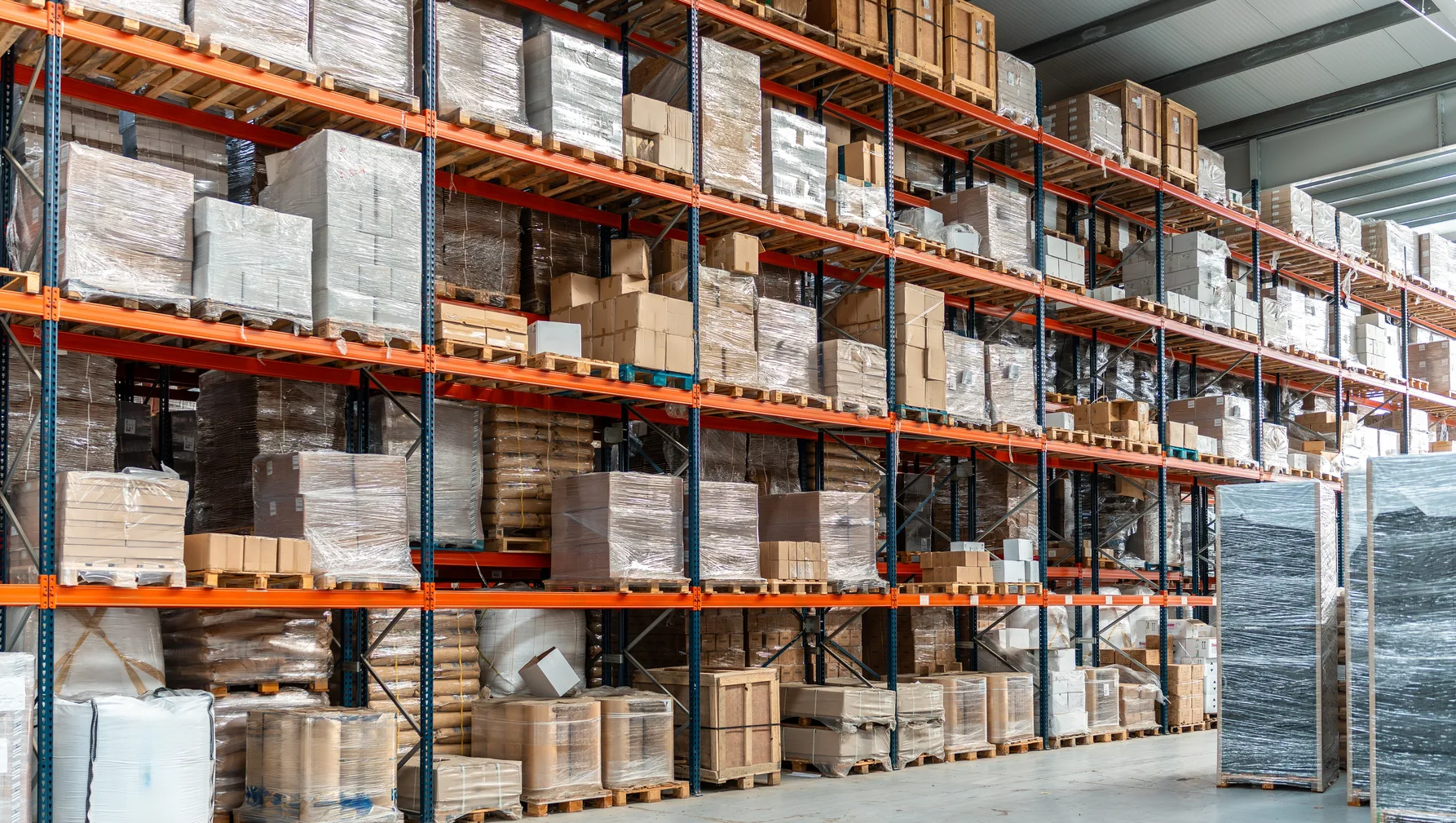

In Massachusetts, keeping things cold for other people is a licensed occupation. No person may maintain a cold storage or refrigerating warehouse without a license from the Department of Public Health — an agency that inspects the plant before it issues, and can close an unsanitary house. Not the food. Not the freight. The building, and the act of keeping it cold on somebody else’s behalf.
Set that beside what the state does not do. Massachusetts has no general public-warehouse operating license. A merchandise warehouse here takes on its duties through the bailment relationship and the warehouse receipt, and nothing else. So the dry building holding pallets is licensed as nothing; the refrigerated building next door is a licensed premises with an inspector who can shut it. Same trade, same customers, same duty of care — and the Commonwealth decided that the one holding perishables was the one worth watching.
It was right about where the risk is. It just drew the line at temperature.
The exposure the license is pointing at
Accepting another company’s goods makes you a bailee: you hold property that is not yours and you answer for it while it is in your care, custody, and control. Your general liability policy will not answer for a loss to those goods, and that is not an accident — a standard general liability form excludes damage to personal property in your care, custody, or control, which describes your entire inventory of customer freight with unhelpful precision.
So the loss you fear most is carved out of your foundation policy by its own terms. Warehouse legal liability exists to answer exactly what that exclusion removes, and it leads every Massachusetts program — licensed cold house or unlicensed dry one, because the duty is identical and only the paperwork differs.
Scarce land, dense buildings, and a limit that has to catch up
Then there is the Massachusetts multiplier, and it is a quiet one. Industrial land here is expensive and constrained, so third-party operators run tighter, taller, more heavily utilized buildings than an operator in a land-rich corridor state does — and the same square footage therefore carries more of somebody else’s inventory. That is why fulfillment and third-party space has been pushed outward to the I-495 belt, to Devens, and to Worcester: the demand is Greater Boston’s, and the ground is not.
The consequence for the program is specific. Your property schedule looks like any other operator’s. The value in your custody does not. A bailee limit set by a rule of thumb, or set years ago and never revisited, will be short in this state before it is short anywhere else — and it will be short in a way nothing on your own balance sheet reveals.
Life sciences: a loss with no property claim beside it
Prescription-drug distribution carries a heavier regime than food. The Board of Registration in Pharmacy licenses wholesale druggists, and both in-state and non-resident distributors shipping prescription drugs into the Commonwealth must hold that license. And because of the density of this state’s life-sciences economy, temperature-controlled pharmaceutical and clinical-supply distribution is an ordinary Massachusetts warehouse business rather than an exotic one — controlled storage sitting close to the labs and hospitals it feeds.
Which produces the sharpest bailee loss available here. A temperature excursion destroys a customer’s clinical material while the building stands untouched: no fire, no water, no wind, an intact roof, and a total loss on the customer’s side of the ledger. There is no meaningful commercial property claim in that event. There is a very large bailee claim. The compressors, the redundancy, the backup power, the monitoring, and who receives the alarm at two in the morning are underwriting questions in Massachusetts, and we ask them early.
Weight on the roof
The peril that actually threatens a Massachusetts warehouse is weight. Wide, low-slope distribution roofs collect snow and then ice from drift and thaw-refreeze cycles, and the loss shows up as deflection, drainage failure, and — at the extreme — partial collapse, with the goods below getting wet whether or not the roof gives way. That is the phrase to hold onto: whether or not the roof gives way. The bailee loss does not wait for the structural one.
Nor’easters bring the wind and the coastal surge, and that matters most for the harborfront and South Coast industrial land near Boston, Chelsea, and New Bedford — flood there is its own placement, not a peril you assume is included. And freeze is the quiet one: a sprinkler and wet-pipe failure in an unheated or partially heated bay does more damage to stored goods than the fire it was meant to fight. Property covers what is yours and stays put; warehouse legal liability covers what is theirs and sits in your care. That is the operating model the warehouse insurance program is built around, and in this state the roof is where the two lines meet.
Conley, Chelsea, and the goods that arrive from elsewhere
Massachusetts has genuine foreign-trade-zone depth for its size. The Boston zone is administered by the Massachusetts Port Authority and anchored at the Conley container terminal in South Boston; New Bedford holds its own zone under the city; and Holyoke holds a third in the Connecticut River valley, giving a Springfield-area importer an inland option. Conley is the state’s only container gateway, which concentrates bonded and duty-deferred storage around the harbor and the industrial land just inland of it.
Admit duty-deferred goods and you take on customs-bonded obligations on top of your ordinary duty of care to the owner — two masters over the same pallet, and a shortage that stops being an awkward phone call. Chelsea adds the perishable side: the New England Produce Center is a privately owned terminal market feeding grocers and restaurants across New England, and produce moving through it is somebody else’s product on a very short clock.
A cold floor and a full rack
Workers compensation is a private-market line in Massachusetts, with an assigned-risk mechanism behind it for accounts the voluntary market declines. The claim picture is the ordinary one and it is unforgiving: powered-industrial-truck strikes and tip-overs, workers struck by stored material coming out of racking, lifting and repetitive-motion strain on pick lines, and dock injuries at the trailer interface. Cold-storage houses add a slip-and-fall and cold-stress layer dry houses do not carry — and in a state where the cold house is a licensed institution, a great many of the floors we are pricing are cold ones.
What underwriters weigh here
We do not publish figures. What actually moves a Massachusetts bailee placement:
- The value of customers’ goods in your custody, measured against how densely the building is used — the number that sizes the bailee limit.
- Cold-storage license status, and the refrigeration, redundancy, monitoring, and backup power behind it.
- Life-sciences and pharmaceutical custody, which brings a second regulator and a temperature-driven total loss.
- Roof design and snow-load history, drainage, and drift geometry.
- Harborfront siting at Boston, Chelsea, or New Bedford, where surge and flood are their own placement.
- Claims history, which moves pricing further than most of this list combined.
Major Massachusetts warehouse markets
Boston and Conley Terminal
The state’s only container gateway, in South Boston, with a foreign-trade zone administered by the Massachusetts Port Authority. Bonded and duty-deferred storage concentrates around the harbor and the industrial land just inland of it — and a bailee that admits duty-deferred goods answers to a customs regime as well as to the owner of the freight.
The I-495 belt
The distribution ring sweeping around Greater Boston through Franklin, Milford, and Marlborough, holding the state’s modern big-box and fulfillment space. This is where the third-party inventory lives, and it is here because industrial land closer in is unavailable at any sensible price — which means the buildings are new, tall, and dense, and a single fire reaches a great deal of somebody else’s stock.
Devens
The far corner of the belt, favored by operators who need room and cannot find it inside I-95. Purpose-built modern space stacked high is efficient and it concentrates value: the same footprint carries more customer-owned inventory than an older building would, and the bailee limit has to know that.
Worcester
Rail intermodal service on the I-90 spine, and the natural inland transfer point for freight moving west. Custody at an intermodal transfer is the ambiguous kind — the box changed hands, the seal was or was not intact, and the question of who held the goods when they were damaged is exactly the question a bailee claim turns on.
Chelsea
The New England Produce Center, a privately owned terminal market feeding grocers and restaurants across the region, on harborfront industrial land. Perishable custody fails by temperature rather than by fire — and the ground here also takes nor’easter wind and coastal surge, which is a separate placement entirely.
New Bedford
A working seafood port rather than a container one, with a foreign-trade zone held by the city. A bailee here is holding somebody else’s catch: the goods are worth more per pallet than dry freight and are ruined by a warm room rather than a burnt one.
Springfield and the Connecticut River valley
Where I-90 meets I-91, with a foreign-trade zone at Holyoke giving a western importer an inland option. Duty-deferred goods sitting far from any dock still carry customs obligations, and an operator who accepts them without noticing has taken on a second master over the same pallet.
Lowell and Marlborough
Life-sciences and medical-device controlled storage close to the labs and hospitals it feeds. Temperature-controlled pharmaceutical and clinical-supply distribution is an ordinary Massachusetts warehouse business rather than an exotic one — and a temperature excursion in a customer’s clinical material is a loss with no property claim beside it.
If the goods are yours, you are on the wrong page
An honest signpost. This page is for the operator holding other people’s property. If your Massachusetts business buys, holds, and resells its own product — a beverage wholesaler licensed by the Alcoholic Beverages Control Commission selling into a municipally licensed retail tier, a food wholesaler working out of Chelsea, a pharmaceutical or medical-device distributor carrying wholesale licensing and real cold-chain obligations, or an importer landing goods at Conley — then your inventory is not a bailment at all. As the first U.S. seller you are in the products-liability chain from the moment the goods clear, and the goods themselves are at risk from the supplier’s dock to your customer’s door — which is a stock throughput conversation rather than a warehouse legal liability one. That has its own page: distributor and wholesaler insurance in Massachusetts.
A great many Massachusetts houses do both. If yours does, we place both halves — the distribution operation running your own product to market and the wholesale operation buying and reselling it — and the seam between what you hold and what you own is the first thing we map.
Massachusetts warehouse insurance FAQs
Does Massachusetts license warehouses?
It licenses one class of them outright, and it is the class this state is built on. Massachusetts has no general public-warehouse operating license — a merchandise warehouse takes on its duties through the bailment relationship and the warehouse receipt, not a state permit. But no person may maintain a cold storage or refrigerating warehouse without a license from the Department of Public Health, which inspects the plant before issuing and can close an unsanitary house. That makes temperature-controlled space in Massachusetts a licensed occupation in a way dry space simply is not: the state is not licensing the food, it is licensing the building that holds somebody else’s food.
What covers a customer’s goods sitting in my building?
Warehouse legal liability — the bailee line. When you accept another company’s goods you take on care, custody, and control of property that is not yours, and you answer for it while it is in your keeping. Your general liability policy will not do that job, because a standard form excludes damage to personal property in your care, custody, or control, and the inventory in your racking is precisely that. The loss you fear most is carved out of your foundation policy by the form’s own terms, and warehouse legal liability is written to answer exactly what that exclusion removes. In Massachusetts the limit deserves particular attention, because scarce industrial land means the same square footage carries more of somebody else’s inventory than it would in a land-rich corridor state.
Why does expensive land raise my bailee exposure?
Because it changes how the building is used. Industrial land in Massachusetts is expensive and constrained, so third-party logistics operators run tighter, taller, more heavily utilized buildings than operators in a land-rich state do — and the same square footage therefore carries more of somebody else’s inventory. That raises the ceiling on a warehouse legal liability loss at any given address without changing anything an owner can see from the parking lot. The property schedule looks the same. The value in custody does not, and the bailee limit is the number that has to catch up.
What does life-sciences storage add to a Massachusetts warehouse?
It adds a second regulator and a loss that leaves the building intact. Prescription-drug distribution is a heavier regime than food: the Board of Registration in Pharmacy licenses wholesale druggists, and both in-state and non-resident distributors shipping prescription drugs into the Commonwealth must hold that license. Given the density of the state’s life-sciences economy, temperature-controlled pharmaceutical and clinical-supply distribution is an ordinary Massachusetts warehouse business rather than an exotic one — and the loss that ends the relationship there is a temperature excursion, not a fire. The roof is fine; the customer’s clinical material is worthless. That is a bailee claim with essentially no property claim beside it.
What is the peril that actually threatens the building?
Weight on the roof. Wide, low-slope distribution roofs collect snow and then ice from drift and thaw-refreeze cycles, and the loss shows up as deflection, drainage failure, and at the extreme, partial collapse — with the goods below getting wet whether or not the roof gives way. Nor’easters bring the wind and the coastal surge, which matters most for the harborfront and South Coast industrial land near Boston, Chelsea, and New Bedford, and flood there is its own placement rather than a peril you assume is included. Freeze is the quiet one: a sprinkler and wet-pipe failure in an unheated or partially heated bay does more damage to stored goods than the fire it was meant to fight.
What are the workers compensation exposures on a Massachusetts warehouse floor?
Workers compensation is a private-market line in Massachusetts, with an assigned-risk mechanism behind it for accounts the voluntary market declines. The warehouse claim picture is the ordinary one and it is unforgiving: powered-industrial-truck strikes and tip-overs, workers struck by stored material coming out of racking, lifting and repetitive-motion strain on pick lines, and dock injuries at the trailer interface. Cold-storage houses add a slip-and-fall and cold-stress layer that dry houses do not carry — and in this state a great many houses are cold ones.
Get a Massachusetts warehouse insurance quote
Quotes in 1–2 hours during business hours.