
States we serve · Mississippi
Warehouse business insurance in Mississippi
For the DeSoto County third-party operators inside the Memphis logistics footprint, the poultry and seafood cold houses, and the project-cargo storage behind the Port of Gulfport.
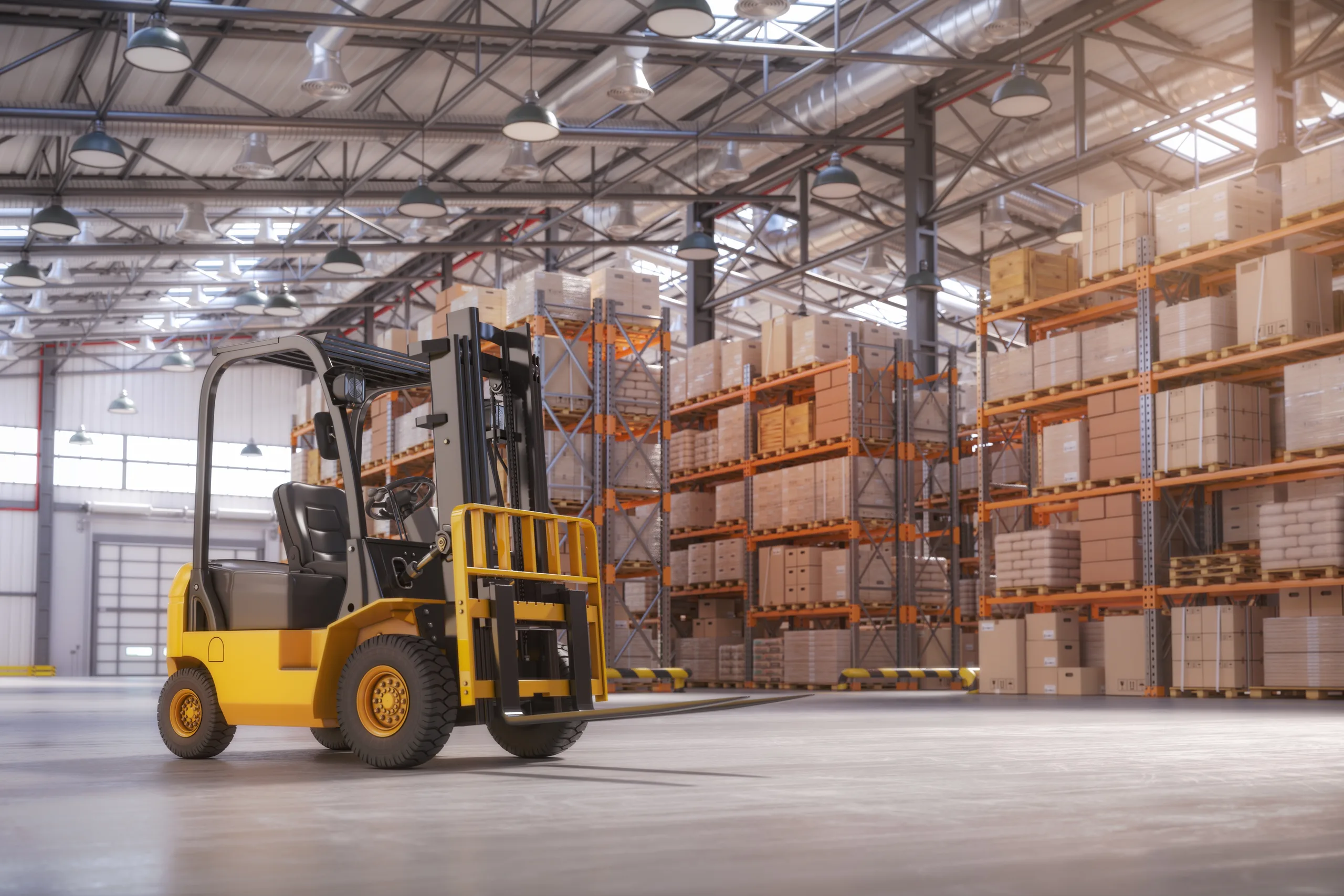

The archetypal Mississippi warehouse holds goods belonging to a company that has never been to Mississippi.
Look at where the buildings are. DeSoto County and the towns below Memphis — Southaven, Olive Branch — became a major distribution and fulfillment market because they are cheap land inside a national air-and-truck hub’s reach, and that space serves the country rather than the state. Population is not what fills those buildings. Adjacency is. The operator there is running custody of a national shipper’s inventory at speed, for an owner in another state, under a storage contract and nothing else.
That is the type-W position in its purest commercial form, and it explains why the whole insurance conversation in this state has to start from the goods rather than from the building. You do not own what you are holding. You cannot replace it out of margin. And Mississippi hands you no license, no regulator, and no statutory standard of care to fall back on when it goes wrong.
The line that answers for freight you do not own
Take in a customer’s goods and you become a bailee: you hold property that is not yours, and you answer for it while it sits in your care, custody, and control. When it burns, floods, walks out the door, or thaws, the damaged property belongs to your customer — and your general liability policy will not pay for it.
That is the form doing what it says rather than a defect in your placement. A standard general liability policy excludes damage to personal property in your care, custody, or control, and every carton in your building is exactly that property. The exclusion carves out the single loss you are most exposed to. Warehouse legal liability is written to answer precisely what it removes, and for a general contract warehouse holding no state license, that policy plus the limitation of liability in your storage contract is the defense.
Grain is licensed. Food is permitted. Everything else is contract.
Mississippi licenses grain warehouses and no others. Under the state’s grain warehouse law, a warehouse storing grain for the public must be licensed and bonded through the Department of Agriculture and Commerce unless it is federally licensed instead. That is the whole of the state’s warehouse licensing, and it is worth saying plainly what it does not do: it does not reach a merchandise, retail, or contract warehouse, and no one should tell you otherwise.
Food is where the state does reach into the building. The Mississippi State Department of Health’s food protection division permits food establishments and names warehouses and re-packers among the facilities it regulates, so a food warehouse is a permitted premises even when a general warehouse across the road is not. The Board of Pharmacy licenses wholesale distributors of prescription drugs, in-state and out-of-state alike, with surety behind the license. An operator handling groceries and drugs answers to two boards about the same loading dock — while owning nothing that moves across it.
The storm passes. Then the goods are lost.
Everyone underwriting the Gulf coast counties knows the named-storm exposure: wind and surge, and a state that remembers exactly what that does to a port and the warehouses behind it. What owners underestimate is the second event.
Power loss after a storm is the cold-chain failure that destroys goods in a building that survived. The roof held. The racking is standing. The dock doors close. And a customer’s poultry or seafood consignment is worthless — a total loss of somebody else’s property with almost nothing for an adjuster to photograph. Cold storage for poultry and seafood is a real Mississippi specialism, and this is its real failure mode: a refrigeration or power failure destroys a customer’s goods and leaves the building untouched, which is a bailee loss and not a property loss.
Around it sits the rest of the peril map. Tornado reaches the whole state, running in the corridor where long-track storms travel and arriving in winter as well as spring, which is not true everywhere. Hail finds an enormous target in a warehouse roof. Flood is a separate placement and a serious one through the delta and the river towns, where the flat ground that makes a good warehouse site is flat because the river made it so. The building, the racking, and the business income that stops with them are commercial property; the freight underneath is not.
Bonded custody on the coast
The Mississippi coast foreign-trade zone is granted to a coast zone corporation and covers secured sites across Hancock, Harrison, and Jackson counties — at airports, ports, and industrial parks rather than at a single terminal. The Port of Gulfport, run by the state port authority, is the deep-water anchor and has rebuilt itself substantially since Katrina, with rail improvements aimed at moving containers north toward Chicago. Inland, the river ports at Vicksburg and Greenville handle barge cargo.
Bonded storage here is real but modest; this is a coast that serves a corridor rather than a coast that commands one, and we will describe it that way rather than inflating it. What matters for a bailee is unchanged by scale: admit duty-deferred goods and you carry customs-bonded obligations on top of the duty of care you already owe the owner. Two masters, one pallet.
Major Mississippi warehouse markets
Southaven
DeSoto County distribution ground, built because it is cheap land inside the reach of a national air-and-truck hub across the state line. The space here serves the country rather than the state, and the inventory in it belongs to shippers who have never visited — pure custody, at speed, for owners who are watching their units from somewhere else entirely.
Olive Branch
The other half of the DeSoto cluster, and one of the more concentrated third-party and fulfillment markets in the mid-South. High-throughput bailment fails by accumulation: shrink, mis-ships, and handling damage across thousands of a customer’s items, rather than a single dramatic event.
Gulfport
The state’s deep-water anchor, run by the state port authority, rebuilt substantially since Katrina, with rail improvements aimed at moving containers north toward Chicago. Project and industrial cargo held for others here sits behind a coastline that carries named-storm wind and surge as underwriting facts rather than abstractions.
Biloxi and the coastal counties
The Mississippi coast foreign-trade zone is granted to a coast zone corporation and covers secured sites across Hancock, Harrison, and Jackson counties — at airports, ports, and industrial parks rather than at a single terminal. Bonded custody puts a customs obligation on top of the duty of care already owed to whoever owns the freight.
Jackson
Where I-20 crosses I-55 in the middle of the state, and the natural point for regional replenishment storage serving a mostly rural market. Operators here hold general merchandise for owners elsewhere, with no state warehouse license standing behind the relationship — the storage contract carries all of it.
Hattiesburg
On the I-59 angle up from the coast, in forest-products and food-processing country. Cold storage for poultry and seafood is a real specialism here, and its failure mode is refrigeration rather than fire: a customer’s product is destroyed while the operator’s building is untouched.
Vicksburg and Greenville
Working barge terminals on the Mississippi, where custody transfers between water and truck. Flat delta ground makes excellent warehouse sites — it is flat because the river made it so — which is exactly why flood belongs in its own placement rather than being assumed into the property policy.
Tupelo
North Mississippi manufacturing and distribution, serving regional accounts off the corridor network. Parts and component storage for others means high value per pallet and long dwell, which raises the stored-value figure a bailee limit has to be sized against.
What underwriters weigh here
We publish no figures, because a number on a web page is a guess dressed up as advice. What we can tell you is where the Mississippi conversation actually goes. It starts with the stored value of goods you do not own — the figure that sizes the bailee limit, and the one that sits nowhere on your balance sheet — and moves quickly to temperature: whether any part of the building is refrigerated, what the backup power looks like, and how long a customer’s consignment survives an outage. Then location, because a Gulfport building and a DeSoto County building are two different peril conversations that happen to share a state. Then the storage contract and its limitation-of-liability terms, which are the whole perimeter in a state that licenses only grain. Then the workers compensation file — a private-market line here, administered by the state’s commission, with no state fund and no opt-out — and the quiet accumulation of slip claims on cold, wet floors. Then the commercial auto and umbrella layers over a yard and delivery operation. And then, as always, the loss runs, which move pricing further than anything else on the list.
That is the operating model behind the warehouse insurance program we build in this state: goods first, building second.
If the goods are yours, you are on the wrong page
An honest signpost before the questions. Everything above assumes you hold other people’s freight. If your business buys, holds, and resells its own product — a beer and light-wine distributorship, which is where a Mississippi beverage entrepreneur’s owned stock actually lives, a food or poultry distributor, an industrial and marine supplier on the coast, or an importer landing goods at Gulfport as the first U.S. seller — then nothing on your racks is a bailment, and your program leads from stock throughput and products liability. That is a different risk with a different policy stack, and it has its own page: distributor and wholesaler insurance in Mississippi.
Where a Mississippi business runs both models, we place the distribution and wholesale sides alongside the bailee side, and we map the seam between them before anything is bound.
Mississippi warehouse insurance FAQs
Does Mississippi license a warehouse that stores goods for other companies?
Only if the goods are grain. Under the state’s grain warehouse law, a warehouse storing grain for the public must be licensed and bonded through the Department of Agriculture and Commerce, unless it is federally licensed instead. There is no state license for a general merchandise, retail, or contract warehouse. The operator of an ordinary Mississippi warehouse is regulated on what it stores, if at all, and not on the fact of warehousing itself — so a DeSoto County third-party building holding a national shipper’s consumer goods answers to no warehouse regulator at all. Its duty of care comes from the bailment, the warehouse receipt, and the limitation of liability written into its storage contract.
What covers a customer’s freight when it is damaged in my building?
Warehouse legal liability — the bailee line, and the reason it leads a Mississippi program. You hold property that belongs to somebody else and you answer for it while it is in your care, custody, and control. Your general liability policy will not respond, because a standard form excludes damage to personal property in your care, custody, or control, and the customers’ freight on your racks is precisely that. The exclusion carves out the exact loss you are most exposed to, and warehouse legal liability is written to answer what it removes. For the general contract warehouse — which holds no state license — the warehouse receipt and the limitation of liability in the storage contract are the entire defense when a customer’s cargo is damaged.
Why does everyone talk about the storm and not about the day after it?
Because the day after is where the bailee loses. The Gulf coast counties carry named-storm wind and surge, and Mississippi remembers exactly what that does to a port and the warehouses behind it. But the loss that ruins a cold-storage operator is frequently the one that arrives when the wind has already gone: power loss after a storm is the cold-chain event that destroys goods in a building that survived. Your roof held. Your racking is intact. And a customer’s poultry or seafood consignment is worthless. That is a warehouse legal liability claim with essentially no property damage attached to it, and it is the claim owners are least prepared for.
Is tornado really a bigger statewide exposure than hurricane?
For most of the state, yes — and the shape of it is unusual. Mississippi sits in the corridor where long-track tornadoes run, and they arrive in winter as well as in spring, which is not true everywhere. A large warehouse roof gives wind an enormous surface and a hailstorm an enormous target, and the buildings that hold other people’s goods are the buildings with the biggest roofs. The coast carries the named-storm exposure, the delta carries the flood exposure — flood is a separate placement, and the flat ground that makes good warehouse sites is flat because the river made it so — and tornado reaches all of it.
Does a food warehouse in Mississippi need a permit?
Food is where the state does reach into the building. The Mississippi State Department of Health, through its food protection division, permits food establishments and names warehouses and re-packers among the facilities it regulates — so a food warehouse here is a permitted premises even though a general warehouse across the road is not. The Board of Pharmacy separately licenses wholesale distributors of prescription drugs, in-state and out-of-state alike, and requires surety behind the license. A single operator handling groceries and drugs therefore answers to two boards about the same loading dock, while holding goods that belong to neither of them.
What does the workers compensation picture look like on a Mississippi warehouse floor?
Mississippi is a private-market workers compensation state, administered by the state’s workers compensation commission — no state fund, and no opt-out. The claims look like warehouse claims anywhere: a powered industrial truck and a person in the same aisle, a fall from racking, a pallet coming down during putaway, a dock injury when a trailer moves, and the lifting strain that produces the longest absences. What is distinctive is where the work happens. The state’s poultry, seafood, and food-processing base puts a large share of it on cold-storage floors, where the surfaces are wet, the shifts are cold, and the slip claims accumulate quietly rather than announcing themselves.
Get a Mississippi warehouse insurance quote
Quotes in 1–2 hours during business hours.