
States we serve · South Dakota
Distributor and wholesaler business insurance in South Dakota
For the food and protein wholesalers, agricultural input and equipment distributors, medical-supply houses, and beverage wholesalers whose owned stock serves the upper Plains from the I-29 and I-90 crossing.
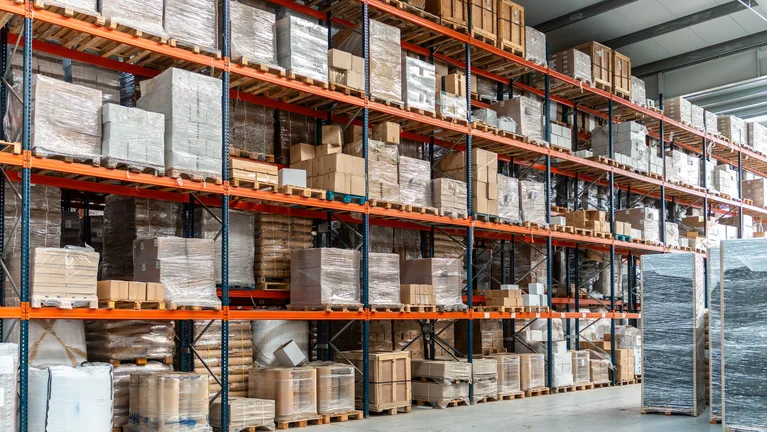

South Dakota distributors own inventory pointed at a regional trade area rather than a national one — and that regional trade area happens to be enormous.
The freight geometry is a cross: I-90 runs the full width of the state from Sioux Falls through Mitchell and Rapid City toward Wyoming, and I-29 runs north–south along the eastern edge from Sioux Falls up through Brookings and Watertown toward Fargo. Sioux Falls sits at the interchange and is, unambiguously, the state’s distribution point. There is no port, no major intermodal terminal, and no air-cargo hub of national consequence. The state moves goods on rubber, and it moves them regionally.
Which means an owner’s goods here spend a genuinely unusual share of their life in a truck. Inventory bound for Rapid City has crossed the width of the state before anybody pays for it. And a commercial property policy — the one most distributors think of first — stopped covering that pallet the moment it left the dock.
The peak, not the average
Start with the exposure most South Dakota owners get wrong, because it is specific to what this state sells.
Agricultural input, seed, and equipment distributors carry seasonal, hazard-classed, high-value inventory that peaks sharply in the spring. The value on hand across most of the year is a poor guide to the value on hand on the worst possible day. And the worst possible day is not randomly distributed: the eastern half of the state sits in an active large-hail corridor, and the convective season arrives on top of the same weeks in which the racking is fullest.
A distribution roof is a wide, flat target with mechanical units and membrane seams exposed to hail, and the western half of the state trades some of that hail for wind. The building is not really the loss. The loss is the season underneath it — and if the property placement was sized to an average rather than a peak, the shortfall shows up at exactly the moment it cannot be fixed. Peak values, and how they are reported, belong in the conversation up front.
Stock throughput across a very large territory
Stock throughput is the lead line for an owner of inventory, and in South Dakota the argument is distance rather than an ocean. It is a single marine-family policy that follows your owned product across the whole span — from the supplier, through transit, into the warehouse, and out to the customer. It is written in the marine family of coverage, which is where the ocean-cargo and inland-marine vocabulary comes from; the name is a historical artifact, and the coverage does not require salt water to earn its keep.
What it replaces is a patchwork with seams in it. Property insures the goods while they sit in a scheduled building; a cargo policy insures them while they move; and a South Dakota wholesaler’s inventory is constantly crossing from one to the other — arriving duty-paid by truck from a distant gateway, staging in a Sioux Falls building, then running the long haul west or north to a customer who may be several hours from the nearest town of any size. The routes are the business here. The coverage has to know that.
Cold chain, in a climate with two extremes
Food, grocery, and protein wholesalers here own refrigerated and frozen stock whose entire value depends on the cold chain holding — through a hard winter and a hot summer, in a state where the processing base makes cold storage disproportionate to the population.
The failure mode is temperature, not fire. The load is never burned; it simply stops being sellable, and the building can be entirely undamaged when it happens. Whether a property form responds to spoilage, whether it requires the interruption to have been caused by physical damage somewhere, and whether temperature failure in transit is picked up under the stock throughput placement are three separate questions with three separate answers. Hard, sustained freeze is the other side of the same coin: it threatens sprinkler systems, unheated bays, and any building holding temperature-sensitive stock when the heat is lost.
The private middle tier, and where the state’s interest sits
South Dakota is a license state. The middle tier is private, and the Department of Revenue issues the wholesaler license and collects the tax. The tier walls are the ordinary ones: a licensed wholesaler may buy or receive alcoholic beverages only from licensed manufacturers or wholesalers, and may sell only to a manufacturer, another wholesaler, or a retail licensee.
One detail tells you where the state is actually looking: wholesalers pay the tax on the alcohol they receive from suppliers, so the middle tier is where the state’s revenue interest attaches. The state has periodically studied whether the three-tier structure still earns its keep. For an owner, the practical position is clean — the inventory is yours from receipt, and it is yours all the way to the retail licensee’s dock.
The chain of distribution, in a state that rarely imports
Two facts that sit side by side without contradicting each other. First, South Dakota’s bonded and foreign-trade zone activity is genuinely thin, and it would be dishonest to describe it otherwise: there is no seaport, no border-crossing gateway of consequence, and no meaningful concentration of bonded warehousing. Most owned inventory arrives duty-paid by truck after clearing somewhere else.
Second, that has no bearing on products liability. It follows the chain of distribution to a seller — not only to a manufacturer — so a wholesaler that buys and resells is inside the chain wherever the goods happened to clear customs. And a distributor that does import directly becomes the first U.S. seller, which is precisely who a claimant reaches when the foreign maker sits beyond the practical reach of a U.S. claim. General liability answers it through the products-completed-operations hazard, and that exposure is what the wholesaling model carries and a pure storage business does not.
Crews, routes, and the pricing conversation
South Dakota is a private-market workers’ compensation state — despite sharing a border and a climate with North Dakota, it is not monopolistic. The claims track the economy: forklift and powered-industrial-truck injury, workers struck by product falling from a rack, dock and trailer-separation falls, lifting strain on the pick line, and cold-stress and slip exposure on freezer floors where the product is heavy, wet, and awkward.
Commercial auto carries more weight here than the size of the market suggests, because the runs are long and the economics push toward fuller trucks and fewer trips — which quietly raises the value riding on any single load. A note on language this trade cannot avoid: your insurance carrier is the company that writes your policy, which is an entirely different thing from a motor carrier that hauls goods for hire. Umbrella liability sits above the primary lines, usually at a customer’s insistence. On price we publish no premiums; what drives the conversation is peak inventory value and where it concentrates, whether the stock is temperature-dependent, the products behind your liability, the route profile and how many of the miles are yours, and claims history.
Where South Dakota distributors and wholesalers concentrate
Sioux Falls
The state’s distribution point, unambiguously — the industrial parks are built around the I-29 and I-90 interchange, with regional freight rail alongside. For a wholesaler, that concentration cuts both ways: the whole owned book for an upper-Plains territory sits in one metro, and often in one building.
The I-29 corridor
The north–south spine running up the eastern edge through Brookings and Watertown toward Fargo. Owned inventory here spends hours on the road on the way to customers who are genuinely far apart — which is precisely the stretch a commercial property policy does not follow.
Rapid City
A separate trade area serving the Black Hills and the west on its own, reached across a very long haul on I-90. A distributor supplying it is running a second, distant inventory position rather than an extension of Sioux Falls — a fact that changes both the transit exposure and the concentration math.
Aberdeen and the northern plains
Agricultural input, seed, and equipment wholesaling in a market where inventory value peaks hard in the spring. That peak is what has to be insured — not the twelve-month average — because the season and the large-hail season overlap.
Brookings
Food and agricultural-products distribution with a research and processing base beside it. An owner holding refrigerated or frozen stock here has a value that depends entirely on the cold chain holding through a hard winter and a hot summer, in a building whose power is not guaranteed.
Mitchell and Yankton
Smaller Missouri-valley markets served on long regional routes. The economics push a wholesaler toward fuller trucks and fewer trips, which quietly raises the value riding on any single load — and the value on a truck is not a property exposure at all.
If you are holding a producer’s grain rather than buying it
An honest signpost. South Dakota’s only real warehouse license is the public grain warehouseman, licensed and bonded through the Public Utilities Commission — a utilities regulator, not the agriculture department — and holding producers’ grain under warehouse receipts. If that is your operation, or if you run third-party or contract space in Sioux Falls holding other companies’ goods for a fee, then the inventory in your building is not owned stock at all. It is a bailment, and none of the above is your lead exposure: your program starts from warehouse legal liability, the bailee line for goods in your care, custody, and control. That is a different risk with a different policy stack, and it has its own page: warehouse insurance in South Dakota.
Some South Dakota businesses do both — they buy and resell their own product and store someone else’s alongside it. If that is you, we place both, and we draw the line between the two before anything binds.
South Dakota distributor and wholesaler insurance FAQs
Is South Dakota a control state for beverage distribution?
No. South Dakota is a license state — the middle tier is private, and the Department of Revenue issues the wholesaler license and collects the tax. The tier walls are the ordinary ones: a licensed wholesaler may buy or receive alcoholic beverages only from licensed manufacturers or wholesalers, and may sell only to a manufacturer, another wholesaler, or a retail licensee. One detail is worth knowing, because it tells you where the state’s attention is: wholesalers pay the tax on the alcohol they receive from suppliers, so the middle tier is where the state’s revenue interest actually attaches. The state has periodically studied whether the three-tier structure still earns its keep. For an owner, the upshot is simple — the inventory in your building is genuinely yours, and it is yours from the moment you receive it.
What is stock throughput and why would a regional wholesaler need it?
Stock throughput is one marine-family policy that follows your owned product across the whole span it travels — supplier, transit, warehouse, and out to the customer — rather than only while it sits still. The reason a South Dakota wholesaler needs it has nothing to do with an ocean and everything to do with distance: the state moves goods on rubber, and it moves them regionally, across a trade area far larger than its population. Inventory bound for Rapid City has crossed the width of the state before anyone pays for it. A commercial property policy insures owned stock only while it is inside a scheduled building; a cargo policy only while it moves; between them are seams. Stock throughput closes those seams with one form, and the marine vocabulary attached to it is a historical artifact, not a requirement that your goods see salt water.
My inventory peaks in the spring. How does that affect coverage?
It should change what you insure to, and it is the question agricultural input, seed, and equipment distributors most often get wrong. Owned inventory here is seasonal, hazard-classed, and high-value, and it peaks sharply in the spring — which means the value on hand for much of the year is a poor guide to the value on hand on the worst possible day. The complication is that the peak overlaps the season: the eastern half of the state sits in an active large-hail corridor, and a distribution roof is a wide, flat target with mechanical units and membrane seams exposed to it. Insuring to an average, and discovering the peak during a claim, is a very expensive way to learn the difference. Peak values, and how they are reported, belong in the placement conversation up front.
Importing is uncommon here. Does that mean I have no products exposure?
No — the two are separate questions. It is true that South Dakota’s foreign-trade zone activity is genuinely thin, and it would be dishonest to describe it otherwise: there is no seaport, no border-crossing gateway of consequence, and no meaningful concentration of bonded warehousing, so most owned inventory arrives duty-paid by truck after clearing at a coastal or Midwestern gateway. But products liability follows the chain of distribution to a seller, not only to a manufacturer, so any South Dakota wholesaler that buys and resells is inside that chain regardless of where the goods cleared customs. And if you do import directly, you become the first U.S. seller — which is exactly who a claimant reaches when the foreign maker is beyond the practical reach of a U.S. claim. General liability answers this through the products-completed-operations hazard.
Is my cold-storage inventory covered if the refrigeration fails?
That depends on the wording, and it is worth settling before you need the answer. Food, grocery, and protein wholesalers here own refrigerated and frozen stock whose entire value depends on the cold chain holding through a hard-winter, hot-summer climate — and the failure mode is temperature, not fire. The load is never burned; it simply stops being sellable, and the building can be entirely undamaged when it happens. Whether the property form responds to spoilage, whether it requires the interruption to have been caused by physical damage, and whether temperature failure in transit is picked up under a stock throughput placement are three separate questions with three separate answers. All three deserve to be asked out loud.
Is workers compensation bought from a state fund in South Dakota?
No. South Dakota is a private-market workers’ compensation state — despite sharing a border and a climate with North Dakota, it is not monopolistic, and comp is placed with competing insurers here in the ordinary way. The warehouse exposures track the state’s economy: forklift and powered-industrial-truck injury, workers struck by product falling from a rack, dock and trailer-separation falls, and lifting strain on the pick line — plus, in the food and protein warehouses that feed off the region’s processing base, cold-stress and slip exposure on freezer floors and the handling of heavy, wet, awkward product. A distributor carries a second injury exposure a pure warehouse does not: the route drivers, who load, unload, and work a lift gate all day across very long runs.
Get a South Dakota distributor insurance quote
Quotes in 1–2 hours during business hours.