
States we serve · Washington
Warehouse business insurance in Washington
For the Kent Valley 3PLs, the contract and public warehouses behind the Seattle and Tacoma terminals, and the cold-storage operators who freeze somebody else’s catch and harvest. The goods are not yours. In this state, sometimes the license is.
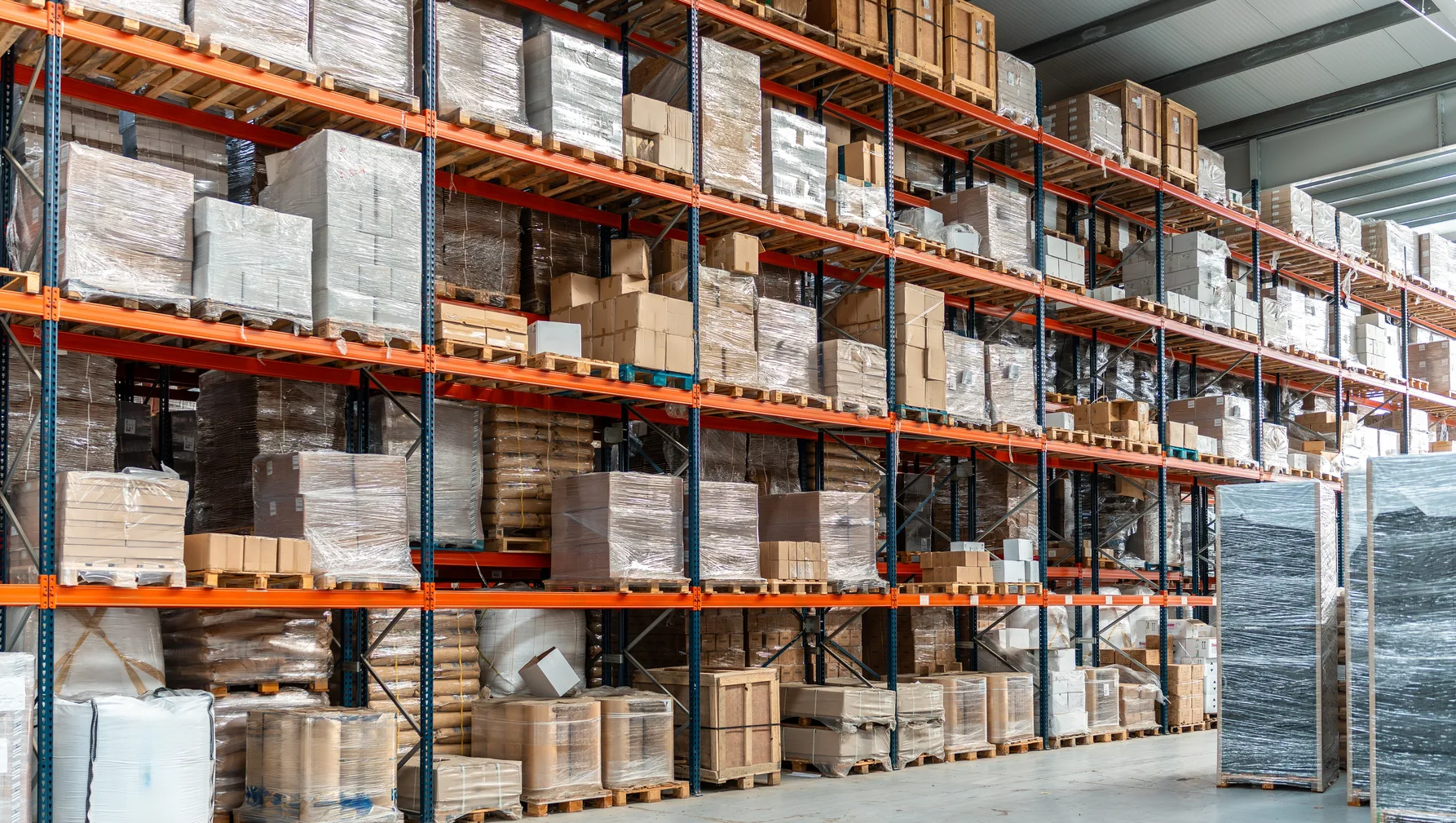

Most states will not license your warehouse. Washington will license your building — if you put food in it.
That is the fact worth starting with, because it is unusual and because it sits directly on the thing that defines your business. RCW chapter 69.10 and the Department of Agriculture’s food-safety program require a license for a warehouse that stores food, and a processor that needs to hold finished product offsite has to put that product into a licensed food-storage warehouse. Read that again as a bailee: the state has put a license on the building in which you keep someone else’s goods. Freeze another company’s seafood, berries, potatoes, or apples and you are holding both their inventory and a state license tied to how you run the room it sits in.
Turn to drugs and the state does the opposite. Wholesale distributors of legend drugs are licensed by the Department of Health’s Pharmacy Quality Assurance Commission — but the commission decided it will not license entities engaged exclusively in third-party logistics. A drug 3PL here is not state-licensed at all; it reports federally. Washington licenses the food bailee and declines to license the drug bailee, and there is no general public-warehouse statute standing behind either of them. If you are the Kent 3PL holding retail freight, no one licenses you as a warehouse. Your perimeter is the bailment, the storage agreement, and the warehouse receipt.
Warehouse legal liability: the line for goods that were never yours
Whatever the license situation, the exposure is constant. A customer’s freight comes through your dock, sits in your racks, and leaves — and for the whole of that span you hold property you do not own and answer for it. A fire in a rack aisle. A sprinkler head that lets go over palletized electronics. A theft out of a trailer in the yard. A refrigeration failure that quietly ruins a grower’s fruit while the building stands untouched.
Your general liability policy will not pay for any of those. That is the form working as written, not a gap in your placement: a standard general liability policy excludes damage to personal property in your care, custody, or control, and the customers’ goods you store are exactly that property. The loss you fear most is carved out of your foundation policy by its own terms. Warehouse legal liability exists to answer precisely what that exclusion removes, and on a Washington bailee’s program it is not an add-on — it leads.
Because the state hands a general merchandise operator no statutory standard of care, the shape of your liability is whatever your contracts make it. Warehouse receipts and storage agreements carry limitation-of-liability language, and whether your customers accepted it, negotiated it away, or never read it changes the exposure your policy is being asked to size. We read those terms against the coverage before binding.
A shake is a racking event, not a roof event
The Cascadia subduction zone and the shallow faults under the Puget Sound basin put genuine seismic exposure under the Kent Valley and the port districts — and the Kent Valley is an enormous concentration of distribution buildings sitting on soft, formerly riverine ground. Owners picture a collapsed roof. That is not what a warehouse earthquake looks like.
What it looks like is rack. Anchorage that pulls out of the slab. Cross-aisle bracing that was never designed for a long duration of shaking. Pallets walking off beams and coming down into an aisle. Your steel is commercial property. The customer’s inventory that came down with it is a bailee claim. One event, two policies, two halves of the same pile on the floor — and earthquake itself is a separate placement that does not ride the property form. In the Kent Valley that decision has to be made on purpose, not by default.
The comp line you cannot shop
Washington is a monopolistic workers’ compensation state. Workers compensation for the statutory line runs through the state fund administered by the Department of Labor and Industries; private comp insurance is not sold here. You either hold an L&I workers’ comp account or you are certified by the state as a self-insured employer, and self-insurance is realistically an option only for very large operations.
The injuries are unchanged by the funding structure. A powered industrial truck makes contact on the dock. Someone strains a back or a shoulder through a full pick shift. A picker falls at rack height. Material comes down off elevated storage. What changes is your leverage: you cannot move the line to a better market when your experience turns, so loss control and your own L&I claims record carry more weight in Washington than in a private-market state, not less. Everything we place around comp — the liability tower, the umbrella, the bailee limit, the commercial auto on your yard and shuttle fleet — is built around that one fixed point.
Bonded custody behind the Seaport Alliance gateway
Washington’s foreign-trade zone footprint sits on the two Puget Sound container ports: the Seattle zone is run by the Port of Seattle and the Tacoma zone by the Port of Tacoma, and because the two market their marine cargo jointly through the Northwest Seaport Alliance, an importer moving boxes through the gateway can work with either zone. Bonded and duty-deferred storage therefore has a practical footing here — the importer landing an Asian container can hold it duty-deferred close to the terminal rather than clearing it at the gate.
For a bailee that is not trivia. Admitting duty-deferred goods layers customs-bonded obligations on top of the duty of care you already owe the owner. You now answer to two masters over the same pallet: the customer whose freight it is, and a customs regime that has not been paid. A shortage that would be an awkward phone call in an ordinary building becomes something a great deal more formal when the goods were never entered.
Smoke without fire, and the loss with no damage
Wildfire is a real exposure east of the Cascades and in the shoulder seasons west of them, and the way it reaches a warehouse is rarely flame. It is smoke and ash — contamination that can total a customer’s stored goods that never came near a fire. Consumer product, food, and packaging can all be rendered unsaleable by an odor and a residue, and the building will look perfectly sound afterward.
That is the shape of claim a warehouse operator is least prepared for: no property damage, a full loss of somebody else’s inventory. It runs alongside the flood exposure that concentrates in the river valleys where the industrial land actually sits — the Green and Duwamish in particular — which is separately placed and belongs in the conversation early rather than late. Wet snow load and windstorm on a big-box roof are honest secondary perils. Hurricane and tornado are not part of Washington’s story, and we do not pretend otherwise.
Major Washington warehouse markets
The Kent Valley
Kent, Auburn, Renton, Sumner, and Fife — the West Coast’s great inland warehouse shelf, a short drayage run from the container terminals and packed with third-party and contract operators holding retail, aerospace, and consumer freight for owners who are somewhere else. It is also soft, formerly riverine ground sitting over the shallow faults beneath the Puget Sound basin, which makes rack anchorage an underwriting subject here and not a building-code footnote.
Seattle
The Port of Seattle runs its own foreign-trade zone, so a bailee near the terminals can hold an importer’s boxes duty-deferred rather than clearing them at the gate. Duty-deferred custody adds a customs obligation on top of the ordinary duty of care to the owner of the freight — the same pallet, two masters.
Tacoma
The Port of Tacoma holds the second zone, and because the two ports market their marine cargo jointly through the Northwest Seaport Alliance, an importer can work with either one. For an operator that means bonded space is a practical offering rather than a specialty, and it means the freight in your building may already be committed to a customs regime that has not been paid.
Everett
Aerospace supply-chain warehousing, where the goods held for others are high-value components moving on a demanding schedule. Bailee value per pallet here bears no relation to pallet count, which is exactly the mistake that leaves a warehouse legal liability limit short after a single rack aisle burns.
Spokane
The Inland Northwest distribution hub on I-90, serving a region rather than a port. An operator here is holding regional replenishment stock for owners across several states, and the peril mix shifts inland — wildfire smoke and heavy wet snow rather than seaport surge.
Yakima and the valley
Apples, hops, and produce moving into cold rooms that belong to the storage operator and hold fruit that does not. Under RCW chapter 69.10 that building is a licensed food-storage warehouse, so the operator is running both a bailment and a state license keyed to how the building is kept.
Vancouver
The southern end of the I-5 spine, where distribution serves the Portland metro across the river from a Washington building. A comp account here is a Washington L&I account even though the labor market is shared — the funding structure follows the state line, not the metro.
Bellingham and the border
Cross-border trade with British Columbia gives northern operators steady northbound and southbound freight, which means custody of goods that will change countries as well as buildings. Cross-dock and short-term hold is its own bailee posture: high handling frequency, short dwell, and a claim that usually starts at a handoff.
What actually moves the price of a Washington warehouse program
We do not publish figures, and any site that does is guessing. What we can tell you is what an underwriter looks at for a Washington bailee:
- The value of the goods in your care — not your own assets. This is what sizes the warehouse legal liability limit, and it is the number owners understate most, because the inventory never appears on their balance sheet.
- Whether the building is licensed food storage, and what the cold chain looks like if it is. A freezer full of a grower’s fruit fails in a way a dry rack does not.
- Rack anchorage, bracing, and product restraint — the Kent Valley seismic question, asked as an engineering question rather than a philosophical one.
- Your storage contracts, and the limitation of liability in them.
- Bonded and zone activity near the Seattle and Tacoma terminals, which adds customs obligations to custody.
- Your L&I claims experience, which you cannot escape by changing markets — because there is no other market to change to.
If the goods are yours, you are on the wrong page
One signpost before the questions. This page is for the operator holding other people’s freight. If your business buys, holds, and resells its own product — a beverage wholesaler holding the whole book under a Liquor and Cannabis Board license now that the state has exited the spirits business, a food or produce wholesaler owning apples and seafood through a cold chain, an importer taking title to a container at Seattle or Tacoma — then your inventory is not a bailment at all. Your program leads from stock throughput and products liability, and it has its own page: distributor and wholesaler insurance in Washington.
A good number of Washington businesses do both. When yours does, we place both sides — the warehouse operation that holds freight for hire, the distribution operation that runs your own product to market, and the wholesale operation that buys and resells it — and the seam between them is the first thing we map.
Washington warehouse insurance FAQs
Does Washington license a warehouse that stores other companies’ goods?
It depends entirely on what is in the building, and Washington is one of the few states where that sentence is literally true. There is no general public-warehouse license here — a 3PL holding retail freight in Kent or Fife is licensed as a warehouse by no one, and its duties run through the bailment, the storage agreement, and the warehouse receipt. But if the goods are food, the picture flips: RCW chapter 69.10 and the Department of Agriculture’s food-safety program require a license for a warehouse that stores food, and a processor that needs to store finished product offsite has to put it in a licensed food-storage warehouse. That is a direct state license on a bailee’s building. And agricultural commodity storage is licensed separately again, under RCW chapter 22.09, with a bond and a warehouse audit behind it.
If the goods in my Washington warehouse are not mine, what pays when they are damaged?
Warehouse legal liability — the bailee line. When you take a customer’s freight into your building you hold property that is not yours and you answer for it while it is in your care, custody, and control. Your general liability policy will not do that job: a standard form excludes damage to personal property in your care, custody, or control, and the customers’ goods you store are exactly that property. So the loss you most fear — a fire in a rack aisle, a sprinkler discharge over palletized electronics, a theft from the yard, a temperature failure in a freezer full of somebody else’s seafood — is carved out of general liability by the form’s own terms. Warehouse legal liability is written to answer precisely what that exclusion removes, and on a Washington bailee’s program it leads.
Can I shop workers compensation for my Washington warehouse?
No, and it is important that an owner hears that plainly. Washington is a monopolistic workers’ compensation state: coverage for the statutory line runs through the state fund administered by the Department of Labor and Industries. Private workers’ compensation insurance is not sold here. An employer either holds an L&I workers’ comp account or is certified by the state as a self-insured employer, and self-insurance is realistically an option only for very large operations. The injuries do not change because the funding structure does — powered-industrial-truck contact on the dock, lifting and repetitive strain across a pick shift, falls at rack height, material coming down off elevated storage. What changes is your leverage: because you cannot shop the line, loss control and your own L&I claims experience carry more weight here than in a private-market state, not less. The rest of the program is built around that fixed point.
What does an earthquake actually do to a warehouse in Washington?
For a bailee the seismic loss is a racking loss. The Cascadia subduction zone and the shallow faults under the Puget Sound basin put real exposure under the Kent Valley and the port districts, and in a shake the damage that matters is rack that was inadequately anchored to the slab, cross-aisle bracing that was never designed for a long duration of shaking, and pallets that come off the beams into the aisle. Your steel is a property loss. The customer’s inventory that came down with it is a bailee loss, and the two are answered by two different policies in the same instant. Earthquake is its own placement, separate from the property form, and in the Kent Valley — an enormous concentration of distribution buildings on soft ground — that decision has to be made deliberately rather than defaulted.
Does Washington license the third-party logistics provider that warehouses drugs?
It declines to, and that is a genuinely useful thing to know because several states do the opposite. Wholesale distributors of legend drugs must be licensed by the Department of Health’s Pharmacy Quality Assurance Commission, but the commission decided it will not license entities engaged exclusively in third-party logistics — a drug 3PL in Washington is not state-licensed and reports federally instead. Read that alongside the food-storage-warehouse license and the shape of the state comes into focus: Washington licenses the food bailee and declines to license the drug bailee. Do not assume the mirror image of California.
Is wildfire a real exposure for a warehouse that is nowhere near a forest?
Yes, and the mechanism catches owners by surprise. Wildfire is a live exposure east of the Cascades and in the shoulder seasons west of them, but the loss to a bailee is very often smoke and ash rather than flame — contamination that can total stored goods that never came near a fire. A customer’s consumer product, food, or packaging can be rendered unsaleable by an odor and a residue, and the building it was sitting in will look perfectly fine. That is a care, custody, and control loss with no property damage attached to it, which is exactly the shape of claim a warehouse operator is least prepared for.
Get a Washington warehouse insurance quote
Quotes in 1–2 hours during business hours.