
States we serve · Louisiana
Distributor and wholesaler business insurance in Louisiana
For the importers, grain and commodity merchants, oilfield and industrial supply houses, and beverage and food wholesalers whose owned stock spends more of its life on a barge, a dock, or a transload floor than it ever spends on a rack.
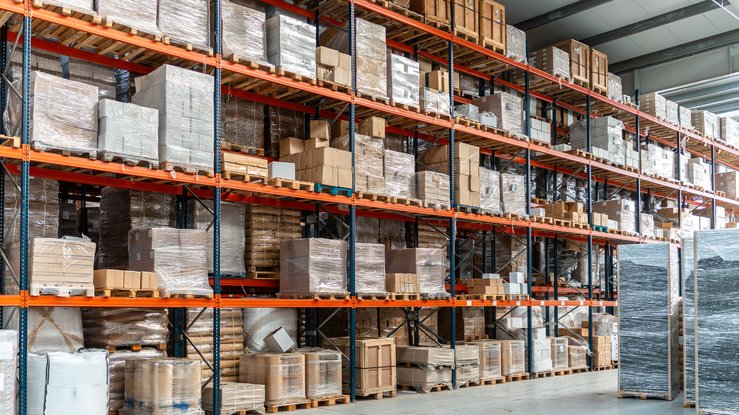

In Louisiana, goods do not settle. They change hands.
This is the mouth of the Mississippi, and that single fact organises everything. The deep-draft river ports — New Orleans, South Louisiana, Baton Rouge — hand cargo between oceangoing vessels and the barges that run the inland river system to the Midwest. New Orleans is one of the few places where all the major Class I railroads meet, which is why so much cargo changes mode here rather than merely passing through. Lake Charles anchors the western energy corridor. Warehousing demand is driven by throughput rather than by population: Louisiana warehouses goods that are on their way somewhere else.
Now put an owner inside that picture. Your stock — the grain, the imported cargo, the project equipment, the beverage, the groceries — spends more of its working life on a barge, on a dock, on a transload floor, or in a rail car than it ever spends sitting on a rack in a building you scheduled on a property policy. It is yours the entire time. And a policy that only responds when goods are standing still is, in this state, the wrong instrument for the business.
One form for goods that never stop
Stock throughput is one marine-family policy that follows your owned product across the whole span — supplier, ocean or river transit, terminal, warehouse, customer — instead of splitting the work between two forms with a gap in the middle.
That gap is the entire point in Louisiana. Commercial property insures inventory while it sits in a scheduled building; it stops at the walls. A cargo policy insures it while it moves. Between them are the transit sheds, the barge decks, the rail interchanges, the transload floors — the places Louisiana freight actually lives. Every mode change is a handoff, and every handoff is a seam where a loss can fall and a claim can be argued about rather than paid.
The bonded picture reinforces it. The New Orleans foreign-trade zone is administered by the Board of Commissioners of the Port of New Orleans and has been expanding its service area across the surrounding parishes; the Lake Charles zone sits with the harbour and terminal district. Bonded storage here is a working reality rather than a paper category, because a warehouse on the river is frequently holding goods that have not yet formally entered U.S. commerce. Those goods are still yours — and a loss on them touches the customs position as well as the value.
The storm passes, the building stands, the goods are worthless
Hurricane is not one peril in Louisiana. It is three.
There is wind that peels a warehouse roof. There is surge that pushes water into a building that never sees rain. And there is the loss of power that quietly ruins the contents of every cold-storage room in the parish while the structure stands there looking perfectly fine.
A distribution business here has to plan for the contents loss as seriously as the building loss, because for an owner of goods the contents are the business. The peril that genuinely catches people off guard is time: after a named storm the building may be intact, the road may be open, and the inventory may already be gone as a saleable asset. Flood belongs in its own placement — and in much of the state, the river parishes, the coastal parishes, the low ground behind the levees, that placement is the load-bearing one rather than an add-on. Tornadoes ride in on the same storms.
The chain of distribution at the mouth of the river
A wholesaler that never manufactured anything can still be sued over what it sold. Products liability follows the chain of distribution, and a claim over a product that injures a person or damages property reaches a seller in that chain, not only the maker.
Importers landing goods at New Orleans become the first U.S. seller and step straight into it. When the actual foreign manufacturer sits beyond the practical reach of a U.S. claim, the importer is the party a claim can actually reach — and it inherits a products exposure for a design it had no part in. General liability answers this through what the standard form calls the products-completed-operations hazard, and the honest work is sizing those limits against what you truly handle. The Louisiana owned-goods economy makes that a varied conversation: grain and commodity merchants owning enormous quantities of stock they never touch, industrial and oilfield distributors holding heavy high-value inventory near the petrochemical corridor, food wholesalers answering to the state health department for the goods themselves, and beverage distributors holding a privately owned middle tier under state permit.
It is also the cleanest line between the two halves of this trade: a wholesale business bought the goods and resold them, so it is in the chain. A terminal that merely took custody of the same cargo between vessel and barge largely is not.
A middle tier you can actually own
Louisiana is a license state. The Office of Alcohol and Tobacco Control permits every party in the chain, and the wholesale tier is privately held: a manufacturer sells to a permitted wholesaler, and the wholesaler sells onward to permitted retailers. Any business that intends to distribute alcohol in the state must hold its ATC permit before it opens its doors, and the agency inspects against that permit.
The practical consequence for a beverage distributor is ordinary but genuinely important — the middle tier is a business you can actually own here, which is not true everywhere on the Gulf. The inventory in it is bought, held, and resold on your own balance sheet. Nobody is holding it for you.
Two agencies, two rooms, one building
Louisiana routes drug distribution to a board of its own rather than to the pharmacy board: wholesale distributors of drugs and devices are licensed by the Louisiana Board of Drug and Device Distributors, resident and non-resident alike, with a separate license for each physical facility. Food manufacturing and distribution sits with the Louisiana Department of Health through its sanitarian services. Agricultural commodities remain with the Department of Agriculture and Forestry, whose Agricultural Commodities Commission licenses warehouses storing agricultural commodities for the public for a fee, with security behind the negotiable warehouse receipts those operators issue.
So a distributor stocking both groceries and pharmaceuticals is answering to two different agencies about two different rooms in the same building — a fact worth knowing before an inspector explains it to you.
The crew, the dock, and the fleet
Louisiana runs a conventional private workers compensation market — no state fund monopoly, no opt-out. What is distinctive is the work. Louisiana warehousing skews toward transit sheds, river terminals, and industrial and project cargo, so the injuries skew heavier than pick-and-pack: powered industrial trucks working around break-bulk, banded loads and awkward industrial pieces that do not behave like cartons, dock and barge-side movement, and lifting strain in humidity that makes a long shift longer. Cold-storage floors for seafood and poultry add slip and cold-exposure claims on top.
A distribution business also has two injury populations rather than one: the crew inside and the route drivers on commercial auto exposure all day. A word this trade uses two ways and should never confuse — your insurance carrier writes your policy; a motor carrier or freight carrier hauls goods for hire. Umbrella liability sits above the primary lines where a plant or a national customer’s contract limits demand it.
Where Louisiana distributors and wholesalers concentrate
New Orleans
One of the few places where all the major Class I railroads meet, which is why cargo changes mode here rather than merely passing through. An importer landing goods at the deep-draft port becomes the first U.S. seller of that product and steps straight into the domestic products-liability chain — while the goods themselves are still moving, still owned, and still nowhere near a scheduled building.
The Baton Rouge–New Orleans petrochemical corridor
Industrial, project, and hazardous-materials distribution serving the plants along the river. Owned inventory here is heavy, high-value, and slow to replace, so the business-income conversation runs on re-sourcing lead time rather than on rebuild time — and a project cargo loss is measured in delayed turnarounds, not in pallets.
The Port of South Louisiana and the grain corridor
Grain and commodity merchants own enormous quantities of stock they never physically touch, moving between oceangoing vessels and the barges that run the inland river system to the Midwest. That is owned inventory in its purest form, sitting on somebody’s balance sheet through every handoff — and no property policy follows it onto the water.
Lake Charles
The western energy corridor, anchored by the harbour and terminal district and its foreign-trade zone. Duty-deferred goods held here are still the distributor’s goods, so a loss reaches the customs position as well as the value — and a warehouse on the river is frequently holding product that has not yet formally entered U.S. commerce.
Lafayette and Port Fourchon
Offshore and coastal energy supply distribution, where an owner’s inventory is staged against a schedule that does not wait. The peril that catches owners here is time: after a named storm the building may be standing, the road may be open, and the goods may still be worthless.
Shreveport and the I-20 corridor
The northern trade area, out of the coastal surge zone and into the convective one, serving a region that reaches into Texas and Arkansas. Owned stock spends long stretches on I-20 and I-49 between the warehouse and the customer, which is transit exposure — and transit is where the four-walls policy stops.
Monroe and Alexandria
Regional grocery, beverage, and building-products wholesaling into a dispersed population. Beverage distributors here hold Office of Alcohol and Tobacco Control permits and own their inventory outright, which is a genuinely private middle tier — and a licensed one, with the permit required before the doors open.
If the goods are not yours, you are on the wrong page
An honest signpost. Everything above assumes the cargo is yours. If your transit shed or river-terminal warehouse instead takes custody of other companies’ goods between vessel and barge — short, high-value custody that is hard to reconstruct after a loss — or if your cold storage is holding a customer’s seafood and poultry, then it is not owned stock at all. It is a bailment, and your lead line is warehouse legal liability, the bailee coverage for goods in your care, custody, and control. It turns on the storage contract rather than on your purchase terms, and it has its own page: warehouse insurance in Louisiana.
A great many Louisiana businesses run both models at once — their own distribution book alongside custody of somebody else’s cargo. If that is you, we place both, and we draw the line between them before anything binds.
Louisiana distributor and wholesaler insurance FAQs
Why is stock throughput the lead coverage for a Louisiana distributor?
Because a Louisiana distributor’s owned stock spends an unusual share of its life in motion — on a barge, on a vessel, on a dock, in a transload — and a policy that only works when goods are standing still is the wrong instrument for it. Stock throughput is one marine-family policy that follows your owned product across the whole span: from the supplier, through ocean or river transit, across the terminal, into the warehouse, and out to the customer. The alternative is a patchwork: a commercial property policy that covers inventory only while it sits in a scheduled building, plus a cargo policy that covers it only while it moves, with seams between them where a loss falls. At the mouth of the Mississippi, where oceangoing vessels, barges, rail, and truck all exchange cargo, those seams are not an edge case — they are the business. Stock throughput closes them on one form, and it is largely a manuscript, non-standard market, so the wording is negotiated rather than assumed.
What does a hurricane actually do to a distributor here?
Three separate things, and owners consistently plan for only the first. There is wind that peels a warehouse roof. There is surge that pushes water into a building that never sees rain. And there is the loss of power that quietly ruins the contents of every cold-storage room in the parish. A distribution business here has to plan for the contents loss as seriously as the building loss — because the peril that catches owners off guard is time: after a named storm the building may be standing and the goods still worthless. Flood belongs in its own placement, and in much of the state — the river parishes, the coastal parishes, the low ground behind the levees — that placement is the load-bearing one rather than an add-on. Tornadoes ride in on the same storms.
Can I own a beverage wholesale business in Louisiana?
Yes — and that is not true everywhere on the Gulf. Louisiana is a license state. The Office of Alcohol and Tobacco Control permits every party in the chain, and the wholesale tier is privately held: a manufacturer sells to a permitted wholesaler, and the wholesaler sells onward to permitted retailers. Any business that intends to distribute alcohol in the state must hold its ATC permit before it opens its doors, and the agency inspects against that permit. For a beverage distributor the practical consequence is ordinary but important — the middle tier is a business you can actually own here, and the inventory in it is genuinely yours, bought and held and resold on your own balance sheet. That is what makes it a stock-throughput exposure rather than goods in somebody else’s care.
Am I in the products-liability chain if I only imported or resold the goods?
Yes. Products liability follows the chain of distribution, and a claim over a product that injures somebody or damages property can reach a seller in that chain, not only the manufacturer. Importers landing goods at New Orleans become the first U.S. seller and step straight into it — and when the actual foreign maker sits beyond the practical reach of a U.S. claim, the importer becomes the realistic target for it. The exposure runs across the state’s owned-goods economy: industrial and oilfield distributors holding heavy, high-value inventory near the petrochemical corridor, food wholesalers answering to the state health department for the goods themselves, and beverage distributors holding a privately owned middle tier under state permit. Standard general liability answers this through the products-completed-operations hazard, and sizing those limits against what you actually handle is most of the work.
Which agencies regulate a Louisiana food and drug distributor?
Two different ones, and a distributor that stocks both groceries and pharmaceuticals is answering to each of them about two different rooms in the same building. Louisiana routes drug distribution to a board of its own rather than to the pharmacy board: wholesale distributors of drugs and devices are licensed by the Louisiana Board of Drug and Device Distributors, resident and non-resident alike, with a separate license for each physical facility. Food manufacturing and distribution sits with the Louisiana Department of Health through its sanitarian services, while agricultural commodities remain with the Department of Agriculture and Forestry — whose Agricultural Commodities Commission licenses warehouses that store agricultural commodities for the public for a fee and requires security behind the negotiable warehouse receipts those operators issue.
What drives the workers compensation conversation in a Louisiana warehouse?
Louisiana runs a conventional private workers’ compensation market, administered through the state’s workforce agency — there is no state fund monopoly and no opt-out. What is distinctive is the work itself. Louisiana warehousing skews toward transit sheds, river terminals, and industrial and project cargo, so the injuries skew heavier than pick-and-pack: powered industrial trucks working around break-bulk, banded loads and awkward industrial pieces that do not behave like cartons, dock and barge-side movement, and lifting strain in humidity that makes a long shift longer. Cold-storage floors for seafood and poultry add slip and cold-exposure claims on top. And a distribution business carries two injury populations rather than one, because the route drivers are exposed differently from the crew inside the building.
Get a Louisiana distributor insurance quote
Quotes in 1–2 hours during business hours.