
States we serve · North Dakota
Warehouse business insurance in North Dakota
For the elevator holding a producer’s grain on a state receipt, the Fargo third-party operator holding pallets for an owner two time zones away, and the yard in the west staging somebody else’s drilling equipment. Different buildings, one question: the goods are not yours.
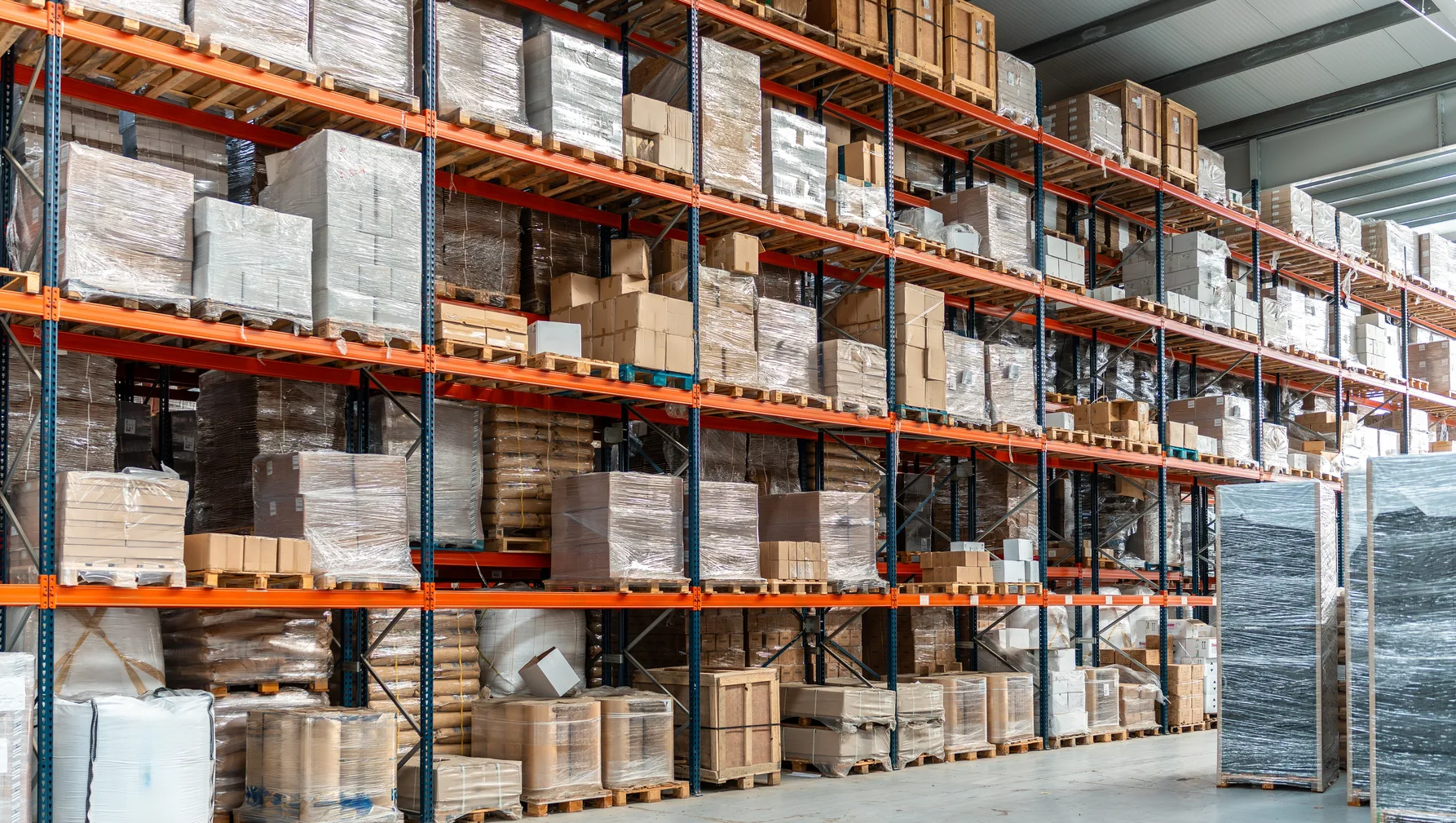

North Dakota does not have many warehouses, and the honest thing to do is say so before saying anything else. This is not a big-box corridor and it never has been. What it has instead is three quite different kinds of building holding other people’s property, and they are governed in three quite different ways — which is a more interesting problem than a state full of identical fulfillment boxes.
There is the country elevator, which is the bailee that matters most here: licensed and bonded by the Department of Agriculture, holding a producer’s grain under a warehouse receipt, with the bond scaled to volume. There is the third-party operator in Fargo or Bismarck, holding pallets for an owner in another state and licensed by nobody. And there is the service company in Williston with an operator’s drilling equipment sitting on its yard, holding property worth more than the yard is, under a contract that never used the word bailment. Only the first of those has a regulator. The other two have paperwork, and the paperwork is all they have.
The receipt, the contract, and nothing else
Regulatory authority over grain moved from the Public Service Commission to the Department of Agriculture, and that licensing division now covers grain warehouses, grain buyers, roving grain buyers, and facility-based grain processors and brokers. That is the whole of North Dakota’s warehouse licensing. There is no general public-warehouse statute here reaching merchandise storage — so if what you hold is consumer goods, industrial parts, or e-commerce stock, the state has issued you nothing, will inspect you never, and has handed you no standard of care to meet.
Which puts everything on the bailment. When a customer’s goods come through your door you take custody of property that is not yours, and you answer for it while it is in your keeping. General liability will not answer for it: the standard form excludes damage to personal property in your care, custody, or control, and that phrase describes every pallet on your floor with uncomfortable precision. The loss you actually worry about is carved out of your foundation policy by its own terms. Warehouse legal liability exists to answer exactly what that exclusion removes, and for a North Dakota operator it leads the program.
What sizes it is not your balance sheet. It is the value of the goods in your care — inventory that never appears in your accounts, belonging to a company that may be two time zones away. Owners understate that number more reliably than any other on the application, and the storage contract they signed is usually the only document that has anything to say about the consequences.
Comp here is not a placement — it is the state
North Dakota is one of the monopolistic workers compensation states, and has been for more than a century. Coverage is not bought from an insurer. It runs exclusively through Workforce Safety & Insurance, the state fund, which is the sole provider and administrator of the system; there is no private market for the statutory line and no self-insurance route. Every employer covers every employee — full-time, part-time, seasonal — before work begins, and even high-hazard operations are guaranteed coverage.
The exposures do not care about any of that. A forklift still strikes a picker, a load still comes down out of racking, someone still goes off a dock plate, and a freezer shift still produces a cold-stress claim. Those things simply are not priced by a market in this state. What a private program still has to answer is the gap the fund leaves: employers’ liability, which the monopolistic fund does not provide. It is the most-missed line in a North Dakota warehouse program, and it is missed because the owner reasonably assumes the state has already covered the workforce. The state has covered the benefit claim. It has not covered the suit.
Snow on the roof, freeze in the pipes, and somebody else’s goods underneath
A distribution building here is a large horizontal surface in a place where snow accumulates and stays. Snow load on a flat, low-slope roof plane is a first-order structural exposure, and drifting against parapets and roof steps concentrates the load exactly where the structure is least able to carry it. That is a commercial property problem — and then it is immediately a bailee problem, because whatever comes through the roof lands on inventory that belongs to a customer.
The freeze does the same thing more quietly. Sustained hard cold reaches wet-pipe sprinkler systems, unheated and partially heated bays, and dock-door seals. A wet-pipe failure in a bay that fell below temperature soaks stored goods without a fire ever starting — and a heat-loss event in a building holding temperature-sensitive product turns into a stock loss in hours. The building may be perfectly sound afterwards. The customer’s inventory is gone.
Flood is separate and it is a siting question. The Red River of the North drains northward and has repeatedly threatened Fargo and Grand Forks; where your building sits relative to it is a conversation to have before the placement, not during a claim.
The yard in the west
Energy-sector storage is its own bailee category and it is the one most often uninsured as such. A service company staging high-value drilling and completion equipment for an operator is holding someone else’s property — frequently outdoors, frequently worth a great deal, and frequently under a contract drafted for the field rather than for a warehouse. Care, custody, and control is a legal relationship, not an architectural one. It does not require a dock door and it does not wait for you to notice it.
What moves the price of a North Dakota warehouse program
We do not publish figures, and a site that does is guessing. What underwriters here actually look at:
- The value of the customers’ goods in your care — the number that sizes the bailee limit and the one owners routinely understate, because the inventory is not theirs.
- The roof and the structure — its snow-load design, its age, its drainage, and its drift geometry.
- Heat, and what happens when it fails — backup, alarms, and what is stored that cannot take a cold building.
- Where you sit relative to the Red River, which is a flood question and its own placement.
- Your storage contracts, including the ones written for a field yard rather than a warehouse.
- Claims history, which moves pricing more than most of the rest of this list combined.
Major North Dakota warehouse markets
Fargo
The intersection of I-94 and I-29 and the state’s distribution point of record, with a Customs port of entry at Hector International Airport and a foreign-trade zone beside it. A third-party building here is holding inventory for owners who are not in North Dakota and will never see the roof it sits under — which means the storage contract is negotiated at a distance and read carefully only after a loss.
Grand Forks
A northern-border zone anchored at the international airport and the industrial park, so duty-deferred goods do sit in buildings here. A bailee that admits them carries a customs obligation on top of the ordinary duty of care — and Grand Forks also sits on the Red River of the North, which drains the wrong way and has threatened the city before. Flood is a siting question and its own placement.
Bismarck
Regional wholesaling and last-mile distribution for a trade area that is enormous and thinly settled. Custody here is long-dwell rather than high-velocity: a customer’s goods sit for weeks in a modest building, which shifts the bailee loss away from handling damage and toward the single catastrophic event — a roof, a freeze, a fire.
Williston and the western basin
Energy-supply staging, and the least warehouse-shaped bailment in the state. A service company holding an operator’s drilling and completion equipment is holding heavy, high-value property that is often outdoors on a yard rather than inside a building, under a contract that was written for the oilfield rather than for storage. The custody is real; the paperwork frequently does not know it.
Minot
A rail-served northern hub on the transcontinental corridor that crosses the state. Freight arrives by rail and leaves by truck, and the warehouse in the middle takes custody at the transload — the point where nobody has signed anything yet and everybody assumes somebody else has.
Dickinson and the western elevators
Country elevators licensed and bonded by the Department of Agriculture, holding a producer’s spring wheat, durum, and canola under a warehouse receipt with the bond scaled to volume. This is bailment with a state license wrapped around it — the only warehouse license North Dakota issues, and it does not reach a pallet of consumer goods.
If the goods are yours, this is the wrong page
One signpost before the questions. This page is for the operator holding other people’s property. If your North Dakota business buys and owns what it sells — an agricultural-input distributor with a hazard-classed spring book, an energy-supply wholesaler with heavy equipment on its own account, a beverage wholesaler licensed by the Tax Commissioner — then your inventory is not a bailment at all, and your program leads from stock throughput and products liability rather than from warehouse legal liability. That is a different risk with a different policy stack, and it has its own page: distributor and wholesaler insurance in North Dakota.
Some operators here do both, because in a state this size you take the business you can get. If yours does, we place both halves — the warehouse operation that holds for hire, the distribution operation that runs your own goods out to a trade area the size of a country, and the wholesale book behind it — and the seam between them is the first thing we map.
North Dakota warehouse insurance FAQs
Does North Dakota license public warehouses?
Only grain ones. Regulatory authority over grain moved from the Public Service Commission to the Department of Agriculture, whose licensing division now oversees the licensing and bonding of grain warehouses, grain buyers, roving grain buyers, and facility-based grain processors and brokers, with the bond scaling to purchase volume. That is the whole of the state’s warehouse licensing. There is no general public-warehouse statute reaching merchandise storage, so a Fargo distribution or third-party logistics building holds no state warehouse license at all — and its duties to the goods inside it run through the bailment and the storage contract instead.
If the goods in my building belong to a customer, what pays when they are damaged?
Warehouse legal liability. It is the bailee line and it is why this page leads with it. When you accept another company’s goods you take on care, custody, and control of property that is not yours, and you answer for it while it is in your keeping. Your general liability policy will not do that job: a standard form excludes damage to personal property in your care, custody, or control, which is a precise description of every pallet on your floor. The loss you fear most is carved out of general liability by the form’s own terms, and warehouse legal liability is written to answer exactly what that exclusion removes.
How does workers compensation work for a North Dakota warehouse?
It is not a placement. North Dakota is a monopolistic state and has been for more than a century — coverage is not bought from an insurer at all. It runs exclusively through Workforce Safety & Insurance, the state fund, which is the sole provider and administrator of the system, and there is no private market for the statutory line and no self-insurance route. Every employer must cover every employee, full-time, part-time, or seasonal, before work begins, and even high-hazard operations are guaranteed coverage. The exposures on a warehouse floor are as real here as anywhere — forklift injury, workers struck by stored material, dock and trailer falls, lifting strain, cold-stress in freezer space — but the market does not price them.
If the state fund covers my employees, what is left for a private policy to do?
Employers’ liability, which the monopolistic fund does not provide. That is the gap, and it is the single most misunderstood thing about insuring a warehouse in a monopolistic state. The state fund answers the statutory benefit claim; it does not answer a suit that arrives outside the comp bargain. That coverage has to be arranged in the private market alongside the rest of your program, and an owner who assumes the state fund is the whole of the workforce answer has left a hole in a building full of powered equipment.
What actually threatens a North Dakota warehouse building?
Weight and cold, in that order — and both of them reach the customer’s goods, not just the roof. A distribution building presents an enormous horizontal accumulation surface, and snow load on a large, flat, low-slope plane is a first-order structural exposure here, with drifting against parapets and roof steps concentrating the load in the places least able to carry it. Extreme and sustained freeze puts wet-pipe sprinkler systems, unheated or partially heated bays, and dock-door seals at risk, and a heat-loss event in a building holding temperature-sensitive product becomes a stock loss in hours — someone else’s stock. Hail and severe convective wind occur but do not define the state. The flood exposure that matters is the Red River of the North, which threatens Fargo and Grand Forks and belongs in its own placement.
I store drilling equipment on a yard for an operator. Is that a warehouse exposure?
It is a bailment, whatever the building looks like. An energy-supply company staging high-value drilling and completion equipment and inventory for an operator is holding someone else’s property — often outdoors, often expensive, and often under a contract drafted for field work rather than for storage. Care, custody, and control does not require a dock door. The question we ask first is what the contract says about loss and about your limit of responsibility, because in North Dakota no statute is going to answer it for you.
Get a North Dakota warehouse insurance quote
Quotes in 1–2 hours during business hours.