
States we serve · Oregon
Warehouse business insurance in Oregon
In an Oregon warehouse the earthquake question is not really about the building. It is about the racking — because racking fails before a shell does, and everything standing on it belongs to somebody else.
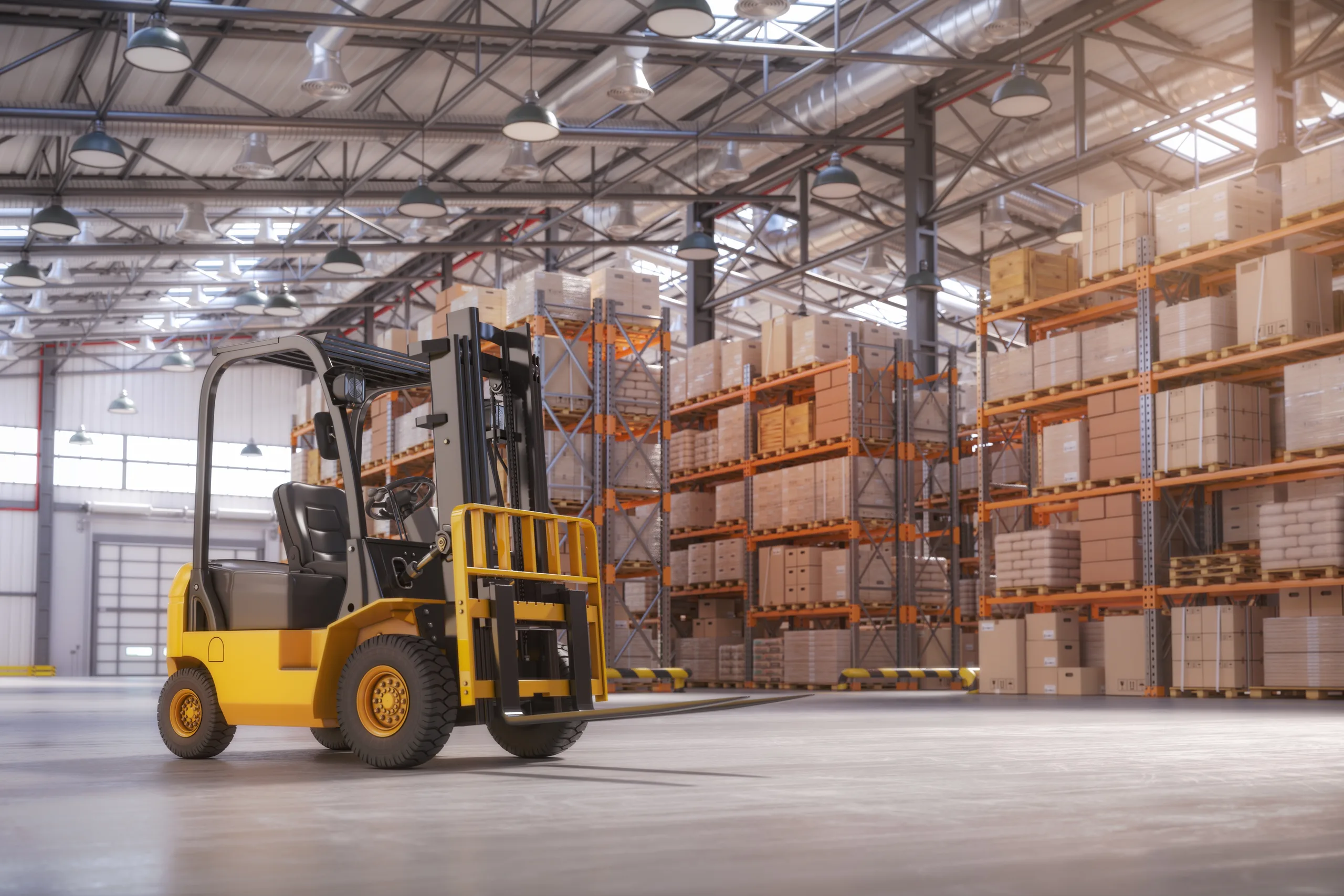

The Cascadia subduction zone runs offshore, and every Oregon warehouse owner has heard about it. What most of them have heard is a conversation about the building — the code, the tilt-up panels, the year of construction. That is the wrong conversation.
For a warehouse, the seismic exposure is the rack. Storage racking that is not properly anchored, is over-loaded, or is not braced for a long-duration shake will fail before the shell does, and the goods on it end up in the aisle. The building can be standing, plumb, and perfectly insurable the next morning with your customer’s inventory in pieces on the floor beneath it.
Which raises the only question that matters in this trade: whose goods were those? In an Oregon 3PL, in a Wilsonville contract building, in a valley cold house — they were your customers’. So a Cascadia shake produces two separate claims from one event, and they are answered by two different policies.
Your steel, their inventory, and an earthquake placement most owners skip
Commercial property answers for what is yours and stays put: the shell, the racking itself, the material-handling systems, and the income that stops when the building does. Warehouse legal liability answers for what is theirs and sits in your care — the pallets that were on the rack when it went over.
And earthquake is a separate placement from the standard property form. It is the placement decision a Willamette Valley distribution operator most often gets wrong by default — not by deciding against it, but by never deciding at all. In a state where the failure mode drops other people’s goods onto the floor, that default is expensive on both sides of the program at once.
The exclusion underneath every Oregon pallet
Here is why the bailee line leads. A standard general liability policy excludes damage to personal property in your care, custody, or control, and the freight on your racks is exactly that. The loss you fear most — a rack collapse, a fire in an aisle, a freezer that drifts warm, smoke from a fire miles away — is carved out of your foundation policy by the form’s own terms.
Warehouse legal liability exists to answer precisely what that exclusion removes. It is the first line in the warehouse program, not the last.
ORS 586 says “public warehouse.” It means grain.
Oregon operators go looking for the license and find one that sounds exactly right. It is not. Oregon does not license the general-merchandise public warehouse. What the state licenses through the Department of Agriculture is the agricultural commodity warehouse: ORS chapter 586 requires a warehouse license and a bond for grain storage, with federally licensed grain warehouses able to substitute their federal license.
That is a grain regime. Reading it as a general public-warehouse license would be a mistake — and an expensive one, because it would leave an operator believing a statutory standard of care applies where none does. A 3PL storing pallets of consumer goods in Portland or Salem is licensed by nobody as a warehouse. Its obligations come from the bailment: the storage contract, the warehouse receipt, and the care standard that attaches to holding another party’s goods.
The license Oregon does put on holding someone else’s goods
Here is the part worth reading twice, because Oregon says the quiet thing out loud. The Department of Agriculture’s food-safety licensing covers food processing and warehousing, and the line it draws is this: a facility that stores and distributes food for others holds a food-storage-warehouse license — while a processor warehousing its own finished product at the same site does not need a separate one.
Sit with that. The licensing trigger is not the food. It is whose food it is. You are licensed precisely because the goods are not yours. The state has taken the exact distinction this entire trade turns on — bailee or owner — and written it into a permit. (It also draws a specific line for the bakery distributor whose license covers both the delivery route and the warehouse behind it.)
The drug side works the same way. The Oregon Board of Pharmacy registers drug outlets, wholesalers register by class, and a facility providing third-party logistics services for drugs must register as a drug distribution agent. Both regimes reach a warehouse that never owns what it stores. Oregon does not license your building. It licenses your relationship to the goods.
Cold storage in the valley
Cold storage is a genuine bailee concentration here. The valley’s food processors, its berry and vegetable packers, and the Columbia River’s frozen-goods trade all put other people’s product into freezers that somebody else runs. And refrigerated bailment fails in a way dry storage does not: nothing burns, nothing collapses, the temperature simply drifts, and a customer’s load is a total loss with the building untouched.
There is no property claim in that event — only a bailee claim. Which is why the warehouse legal liability limit in an Oregon cold house has to be sized against what is in the freezer rather than against the value of the freezer.
Smoke, water, and a very long wet season
Wildfire is Oregon’s second exposure, and the loss path is not the obvious one. Fire seasons have reached the valley margins, and the smoke reaches farther than the flame — stored-goods contamination is a real loss for a building that never sees fire. Your customer’s product is unsaleable; your property policy sees an undamaged warehouse. Flood is its own placement again, concentrating along the Willamette and Columbia floodplains where a great deal of industrial land happens to sit. Windstorm off the coast rounds it out. Hail and tornado are not the Oregon story and this page will not dress them up as one.
On the workers compensation side Oregon is a private-market state, with the Department of Consumer and Business Services overseeing the system. The loss picture is the familiar one — forklift and pallet-jack contact on a congested dock, lifting and repetitive-motion strain on a pick line, falls from order-pickers and ladders at rack height, struck-by injuries from stored material shifting off a beam — plus one plain wrinkle: slick dock plates and truck-court surfaces through a long rainy stretch is a slip-and-fall exposure the drier states do not carry to the same degree. An umbrella sits over the liability stack, and commercial auto attaches when your own equipment carries a customer’s freight off the property.
What drives cost for an Oregon bailee
- The racking. Anchoring, load rating, and seismic bracing is the first question here and it belongs in the submission, not in the claim file.
- Whether earthquake was placed — deliberately, not by default.
- The value of the goods in your care, and in a cold house, what a single compressor failure destroys.
- Whether you hold food for others, and therefore whether the state has already licensed and inspected the building.
- Wildfire and smoke proximity, which is a goods-contamination question as much as a building one.
- Claims history, which moves pricing more than almost anything else on this list.
Major Oregon warehouse markets
Portland and the Rivergate district
The port district, where the Port of Portland runs marine terminals on the Columbia and Willamette with a container terminal, breakbulk, and a strong auto and bulk-commodity role — and where the port is also the state’s foreign-trade zone grantee. A bailee holding duty-deferred cargo here answers to a customs regime as well as to the owner of the goods.
Wilsonville and Tualatin
Third-party and contract space on the I-5 spine, holding freight for shippers who want one Northwest building rather than a Seattle building and a California building. That consolidation logic concentrates several customers’ inventory under one roof — so one seismic event, or one fire, reaches many bailors at once.
Hillsboro and Washington County
The technology manufacturing cluster on Portland’s west side, whose components and equipment need warehousing — and the zone has supported production activity for the region’s semiconductor-equipment industry in Tualatin and Sherwood. Component bailment concentrates high value in a small footprint, which changes the limit calculation without changing the building.
Gresham
East-metro distribution space near the I-84 route through the Columbia River Gorge toward Idaho and the interior. A warehouse here takes custody mid-journey rather than at either end, which puts the storage agreement, and its limitation-of-liability terms, at the center of any claim over a customer’s damaged goods.
Woodburn and Salem
The mid-valley, where food and agriculture out of the Willamette Valley meet the I-5 corridor. Public refrigerated space here holds berry and vegetable packers’ product — and the state licenses that food-storage warehouse directly, so the operator is inspected precisely because the food belongs to someone else.
Albany and Eugene
The south valley, serving wood products, food, and regional consumer distribution. Buildings here are frequently the only storage between a producer and a wide territory, so a business interruption in your facility becomes an interruption in your customer’s supply chain — a consequence the storage agreement either allocates or leaves open.
The Columbia frozen trade
Frozen-goods movement tied to the river and the region’s food economy puts other people’s product into freezers that somebody else runs. A refrigeration failure destroys a customer’s inventory without touching the building — a pure bailee loss with no property claim attached to it at all.
Medford and Bend
Regional distribution away from the I-5 valley, in country where wildfire exposure is real. Smoke reaches farther than flame, and stored-goods contamination is a genuine loss path for a building that never sees fire — which means a customer’s product can be unsaleable while your property policy looks at an undamaged warehouse.
If the goods are yours, you are on the wrong page
A signpost before the questions. This page speaks to the operator holding other people’s goods. If your Oregon business owns what it stores — a food or grocery wholesaler moving valley produce, dairy, and packaged goods, a wine or craft-beverage distributor, a drug wholesaler registered with the Board of Pharmacy, or an importer bringing components through the Port of Portland into a Washington County building — then nothing on your floor is a bailment. Your stock is at risk from the overseas supplier to the customer, and as the first U.S. seller you carry the products-liability chain for goods you did not make. That is stock throughput territory: distributor and wholesaler insurance in Oregon.
If you do both, we place both — the distribution side and the wholesale side — and we map the seam between them before quoting either one.
Oregon warehouse insurance FAQs
Oregon has a public warehouse statute — does it cover me?
It does not, and the wording is the trap. Oregon does not license the general-merchandise public warehouse. What the state licenses, through the Department of Agriculture, is the agricultural commodity warehouse: ORS chapter 586 requires a warehouse license and a bond for grain storage, with federally licensed grain warehouses able to substitute their federal license. That is a grain regime, and reading it as a general public-warehouse license would be a mistake. A 3PL storing pallets of consumer goods in Portland or Salem is licensed by no one as a warehouse; its obligations come from the bailment — the storage contract, the warehouse receipt, and the care standard that attaches to holding another party’s goods.
Why is the earthquake conversation about racking rather than the building?
Because that is where the failure happens first. The Cascadia subduction zone runs offshore, and for a warehouse the seismic exposure is not an abstraction about the building code — it is the rack. Storage racking that is not properly anchored, is over-loaded, or is not braced for a long-duration shake will fail before the shell does, and the goods on it end up in the aisle. Now ask whose goods those are: your customers’. So an Oregon seismic event produces a bailee claim and a property claim from the same shake, and the two lines answer separately for the two halves of one event. Earthquake is a separate placement from the standard property form, and it is the placement decision a Willamette Valley distribution operator most often gets wrong by default.
Which Oregon warehouse does get a state license?
The one that stores food for other people — and the way the state draws that line is the most useful thing in Oregon’s regulatory scheme. The Department of Agriculture’s food-safety licensing covers food processing and warehousing: a facility that stores and distributes food for others holds a food-storage-warehouse license, while a processor warehousing its own finished product at the same site does not need a separate one. Read that again, because it is the whose-goods question written into a state license: you are licensed precisely because the food is not yours. The state also draws a specific line for the bakery distributor whose license covers both the delivery route and the warehouse behind it.
What happens if a customer’s goods are destroyed on my floor?
Warehouse legal liability answers, and general liability does not. A standard general liability policy excludes damage to personal property in your care, custody, or control, and the freight on your racks is exactly that — so the loss you fear most is carved out of your foundation policy by the form’s own terms. Warehouse legal liability is the bailee line written to answer precisely what that exclusion removes. Commercial property, meanwhile, answers only for what is genuinely yours: the shell, the racking itself, and the income that stops when the building does. In a seismic state that division is not academic — it decides which policy pays for the steel and which pays for what was standing on it.
Does a 3PL that handles drugs need to register in Oregon?
Yes, and the class is named for what you actually do. The Oregon Board of Pharmacy registers drug outlets: wholesalers register by class, and a facility providing third-party logistics services for drugs must register as a drug distribution agent. Like the food-storage-warehouse license, that regime reaches a warehouse that never owns what it stores — the state is describing an operator that holds goods on someone else’s behalf and regulating it as such. It is a licensing obligation, not a coverage one, but it tells you exactly how a regulator sees your business, and it is worth knowing before you sign a pharmaceutical account rather than after.
What perils actually matter in Oregon, and which ones do not?
Seismic first, for the reasons above. Wildfire second — Oregon’s fire seasons have reached the valley margins, and the smoke reaches farther than the flame, which makes stored-goods contamination a real loss path even for a building that never sees fire. Flood is its own placement and concentrates along the Willamette and Columbia floodplains, where a great deal of industrial land happens to sit. Windstorm off the coast rounds it out. Hail and tornado are not the Oregon story and should not be dressed up as one. On the workers compensation side, Oregon is a private-market state, and the wet season adds a plain, practical exposure the drier states do not carry to the same degree: slick dock plates and truck-court surfaces through a long rainy stretch.
Get an Oregon warehouse insurance quote
Quotes in 1–2 hours during business hours.