
States we serve · Vermont
Warehouse business insurance in Vermont
For the cold, food-grade, and cross-border storage operators around Burlington, Williston, and the Québec crossings — holding other companies’ goods on the only flat ground Vermont has, which is the ground the rivers take.
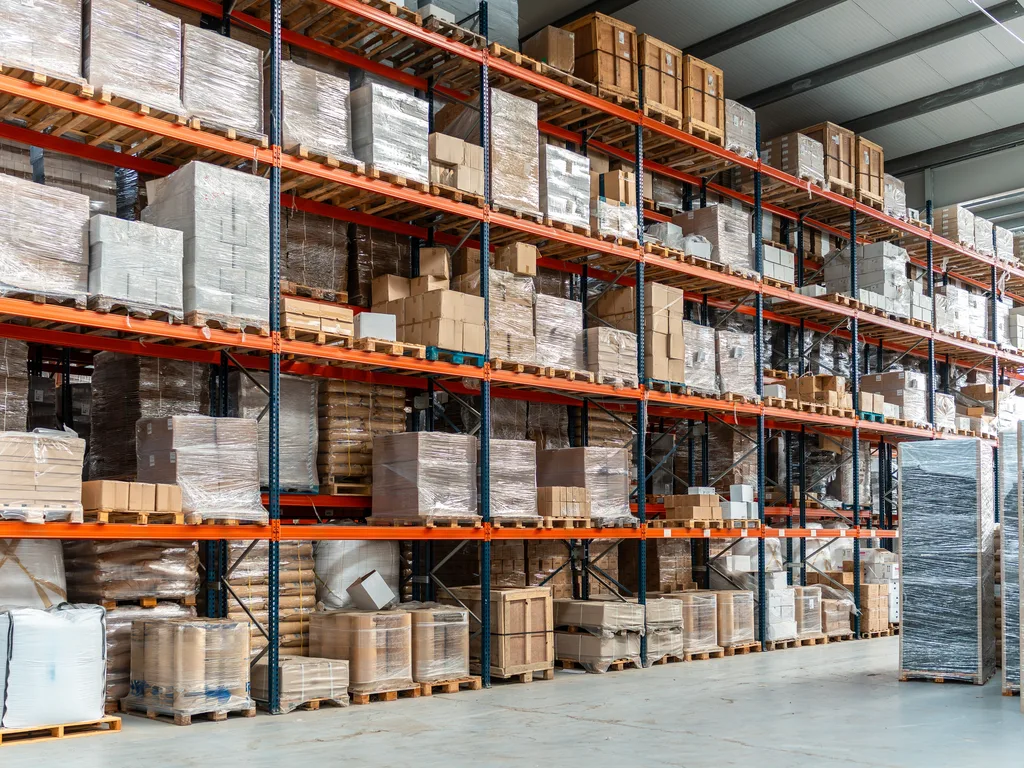

Vermont is one of the very few states that will actually hand a warehouse a document titled Public Warehouse License. It is real. The Agency of Agriculture, Food and Markets issues it under the public-warehouse chapter of Title 6, licenses each separate place of business, and inspects for sanitary condition. It is a warehouse-specific operating license, not a food-handler registration, and most states have nothing remotely like it.
Now the part that decides whether it applies to you. Its subject is storage-for-hire of farm commodities — milk, cream, butter, cheese, eggs, dressed meat, poultry, and fruit. That is the list. If you hold cheese for a Vermont creamery, this license is your world. If you hold pallets of consumer goods in Williston for a brand in Boston, it is not available to you, it is not required of you, and it will not help you when a customer’s inventory is destroyed.
Which leaves most Vermont warehouse operators exactly where the majority of American warehouse operators stand — governed by the bailment and by whatever they signed.
Warehouse legal liability: the goods on the floor are not yours
Take in a customer’s freight and you become a bailee. You hold property that belongs to someone else, in your care, custody, and control, and you answer for it. That is the exposure, and in Vermont it has a distinctive weight to it: the state’s food and specialty brands travel much further than its population would suggest, and the warehouse is very often the only building the brand has. A loss in your facility is not an inconvenience to that customer. It is their entire finished-goods position.
Your general liability policy will not pay for it. A standard general liability form excludes damage to personal property in your care, custody, or control, and the customer’s pallets are precisely, definitionally that. The loss you fear most is carved out of your foundation policy by that policy’s own terms — which is not an oversight, but the reason the bailee line exists at all. Warehouse legal liability answers exactly what the exclusion removes, and it leads a Vermont program.
Outside the farm-commodity license, nothing in Vermont law tells you what standard of care you owe. Your warehouse receipt and your storage agreement do — including the limitation-of-liability terms inside them, which are what a claim will actually be argued against. We read those against the bailee limit before binding. That is the discipline the warehouse insurance program runs on.
The water comes to the flat ground, and the flat ground is where you built
Vermont’s catastrophe is water, and the geography makes it unavoidable. The buildable flat land in this state is in narrow river valleys — which is precisely where floodwater goes. The July flood put much of downtown Montpelier under water from the Winooski and its tributaries and hit Barre hard, and the remnants of a tropical system flooded those same central Vermont towns again almost exactly a year later. This is not a hundred-year abstraction. It is a recent, repeated, documented event in the towns where the warehouses are.
Two things follow for a bailee, and both matter more than they would anywhere else. First, flood is its own placement — it is not in your property policy, and a Vermont warehouse on a valley floor that has not made a deliberate flood decision has made an accidental one. Second, and this is the part that gets missed: inventory stored at floor level is the first thing lost, and the pallets at floor level belong to your customers. The water reaches their goods before it reaches anything of yours worth arguing about.
Snow load, ice, and the power going out on a cold room
Winter is the other half. Snow and ice load on a wide roof is a genuine structural concern, and a collapse over stored goods is a property loss and a bailee loss in the same instant — your steel, someone else’s cheese underneath it. Ice storms take down power, and power is what a refrigerated building actually runs on: the roof holds, the walls hold, the temperature drifts, and a customer’s dairy or protein load is worthless. In a state whose food economy reaches national markets, an outage is a cargo event before it is a building event.
What is yours in all of this — the roof, the racking, the refrigeration plant, the income lost while you cannot ship — is commercial property. What is theirs is not, and the two lines answer separately for the two halves of one storm. Coastal perils simply do not apply here, and we are not going to write as though they do.
Comp on an icy yard
Workers’ compensation in Vermont is a private-market line. The injuries begin where they always do in a warehouse — powered-industrial-truck contact, product falling out of racking, lifting strain on pick and pack work, dock injuries at the trailer — and then Vermont adds a long ice season in the yard and a real cold-storage presence on the dairy and food side, where cold stress and wet floors sit on top of everything else. A building that runs trailers across an icy apron five months a year is not the same submission as one that does not.
What an underwriter actually asks in Vermont
- Where the building sits relative to the river, and whether flood has been placed rather than assumed. This is the first question here, not the fifth.
- The value of the goods in your care — not your own assets — which sizes the bailee limit and is the number owners most often understate.
- What is in the building: licensed farm commodities, other food under a health department processing license, or dry merchandise under nothing but a contract.
- The cold rooms — backup power, alarming, and how quickly a temperature drift is detected after the lights go out.
- The roof — span and snow-load history, because collapse is the catastrophic structural scenario in this climate.
- Claims history, which moves the price further than most of the rest of this list.
Major Vermont warehouse markets
Burlington
The state’s commercial center and the seat of the Greater Burlington Industrial Corporation, which holds Vermont’s foreign-trade zone grant. It is a land-border zone rather than a seaport one, so duty-deferred custody here attaches to goods moving to and from Québec — a modest bonded presence, and it would be dishonest to describe it as more than that.
Williston
Where most of Vermont’s modern industrial and distribution space actually sits, and where a genuine third-party warehousing business exists. These are conventional bailees: no public warehouse license reaches dry merchandise here, so the storage agreement and the warehouse receipt carry the entire duty of care to a customer’s goods.
Colchester
Distribution and trucking space adjacent to the Burlington market. Operators here hold specialty food and consumer inventory for brands whose warehouse is often the only building the brand has — which means a loss in your facility is not an inconvenience to your customer, it is the customer’s entire finished-goods position.
White River Junction
The I-89 and I-91 crossing, and the state’s southeastern distribution point. A bailee here is storing goods mid-journey between southern New England and the north, which puts choice of law and the limitation-of-liability terms in the storage contract squarely in play when the goods are damaged in transit-adjacent handling.
St. Albans and the Highgate Springs crossing
The northern approach to the Québec border on I-89. Cross-border paperwork is a routine part of the job here in a way it is not in most of New England, and a bailee holding goods that have not formally entered U.S. commerce is answering to a customs regime as well as to the owner of the freight.
Montpelier and Barre
The central valley towns that went under water in the July flood and were hit again by the remnants of a tropical system almost exactly a year later. If your building is here, flood is not a theoretical placement — it is the peril most likely to destroy a customer’s inventory, and it is bought under a separate policy from the one that covers your roof.
Rutland
Southwestern Vermont’s regional distribution and storage base, serving a dispersed rural retail territory. Snow and ice load on a wide roof is the structural question here, and an ice storm that takes down power is a cold-chain question at the same moment.
The licensed farm-commodity warehouses
Storage-for-hire of milk, cream, butter, cheese, eggs, dressed meat, poultry, and fruit is a licensed occupation in Vermont — each place of business licensed and inspected for sanitary condition. That makes cold and food-grade storage-for-hire a regulated trade in a state where general merchandise storage-for-hire is not regulated at all.
If the goods are yours, you are on the wrong page
One signpost before the questions. This page speaks to the operator holding other people’s goods. If your Vermont business buys, holds, and resells its own product — a specialty food, cheese, maple, or craft-beverage brand whose warehouse holds its own finished stock, a grocery wholesaler serving a dispersed rural retail base, or a private wholesale dealer licensed by the Division of Liquor Control to move beer, wine, cider, and ready-to-drink products — then your inventory is not a bailment. Your program leads from stock throughput and products liability rather than from warehouse legal liability, and it has its own page: distributor and wholesaler insurance in Vermont.
In a state this size the two roles overlap constantly — the same cold building holds a creamery’s cheese and the operator’s own line. If yours does, we place both sides, the distribution operation and the wholesale operation, and we map the seam first, because when the power fails the seam is what decides whose loss it is.
Vermont warehouse insurance FAQs
Vermont issues a “Public Warehouse License.” Does my warehouse need one?
Only if you are storing farm commodities for hire — and this is a distinction worth getting exactly right, because the name of the license invites the wrong conclusion. The Agency of Agriculture, Food and Markets issues a Public Warehouse License under the public-warehouse chapter of Title 6 of the Vermont Statutes for storage-for-hire of farm commodities: milk, cream, butter, cheese, eggs, dressed meat, poultry, and fruit. Each separate place of business is licensed and inspected for sanitary condition. It is a real, warehouse-specific operating license, and it is genuinely unusual — most states have nothing like it. But it is scoped to those commodities. It is not a general merchandise warehouse license, and a Williston 3PL holding pallets of consumer goods does not hold one and cannot get one.
So what governs my duty of care if I store anything else?
The bailment, and the paperwork that expresses it. Outside those farm commodities, a Vermont warehouse’s duties run through the bailment relationship and the warehouse receipt rather than through a state license. You have taken in property that belongs to someone else, and you answer for it while it is in your care, custody, and control. The storage agreement — and specifically the limitation-of-liability language inside it — is the perimeter of any claim for a customer’s damaged goods. There is no license the state could suspend, and there is no statutory standard of care handed to you.
Will my general liability policy pay for a customer’s goods that are destroyed in my building?
No, and that is the fact this whole trade turns on. A standard general liability form excludes damage to personal property in your care, custody, or control — and a customer’s inventory sitting on your rack is exactly that property. The loss you most fear is carved out of your foundation policy by the policy’s own terms. Warehouse legal liability exists to answer precisely what that exclusion removes, and on a Vermont bailee program it leads: ahead of the building, ahead of everything.
Is flood really the main catastrophe risk for a Vermont warehouse?
Yes, and it is not close. Vermont’s catastrophe is water, not wind. The state’s buildable flat land is in narrow river valleys, which is precisely where floodwater goes — the July flood put much of downtown Montpelier under water from the Winooski and its tributaries and hit Barre hard, and the remnants of a tropical system flooded the same central Vermont towns again almost exactly a year later. Any warehouse on a valley floor, which is most of them, has to treat flood as a live, separately placed exposure rather than a theoretical one. And the bailee point is the sharp one: inventory stored at floor level is the first thing lost, and the pallets on the floor belong to your customers.
What does a Vermont winter do to a warehouse holding somebody else’s food?
Two things, and they compound. Snow and ice load on a wide roof is a structural concern in its own right — a collapse over stored goods is a property loss and a bailee loss in the same instant. And ice storms take down power, which is the failure that matters most to refrigerated space: the building is untouched, the temperature drifts, and a customer’s dairy, cheese, or protein load is a total loss. In a state whose food economy has national reach, a power outage is a cargo event before it is a building event.
Does a Vermont food warehouse need a health department license as well?
Very likely. Food storage is regulated from two directions here. The Department of Health requires a food processing license and says so plainly — warehouses and distribution centers need one, not just manufacturers. The Agency of Agriculture, Food and Markets separately licenses the public warehouses that store farm commodities for hire, along with wholesale meat and poultry distributors and milk handlers, which reflects a dairy economy that still shapes the state’s food rules. Prescription-drug wholesale distribution runs through the Board of Pharmacy in the Secretary of State’s Office of Professional Regulation, which licenses wholesale drug outlets.
Get a Vermont warehouse insurance quote
Quotes in 1–2 hours during business hours.