
States we serve · Wyoming
Warehouse business insurance in Wyoming
For the Cheyenne third-party operators, the licensed grain warehouses, and the energy-supply yards that hold other companies’ property in a state where the wind never stops and workers’ compensation cannot be bought from an insurance company.
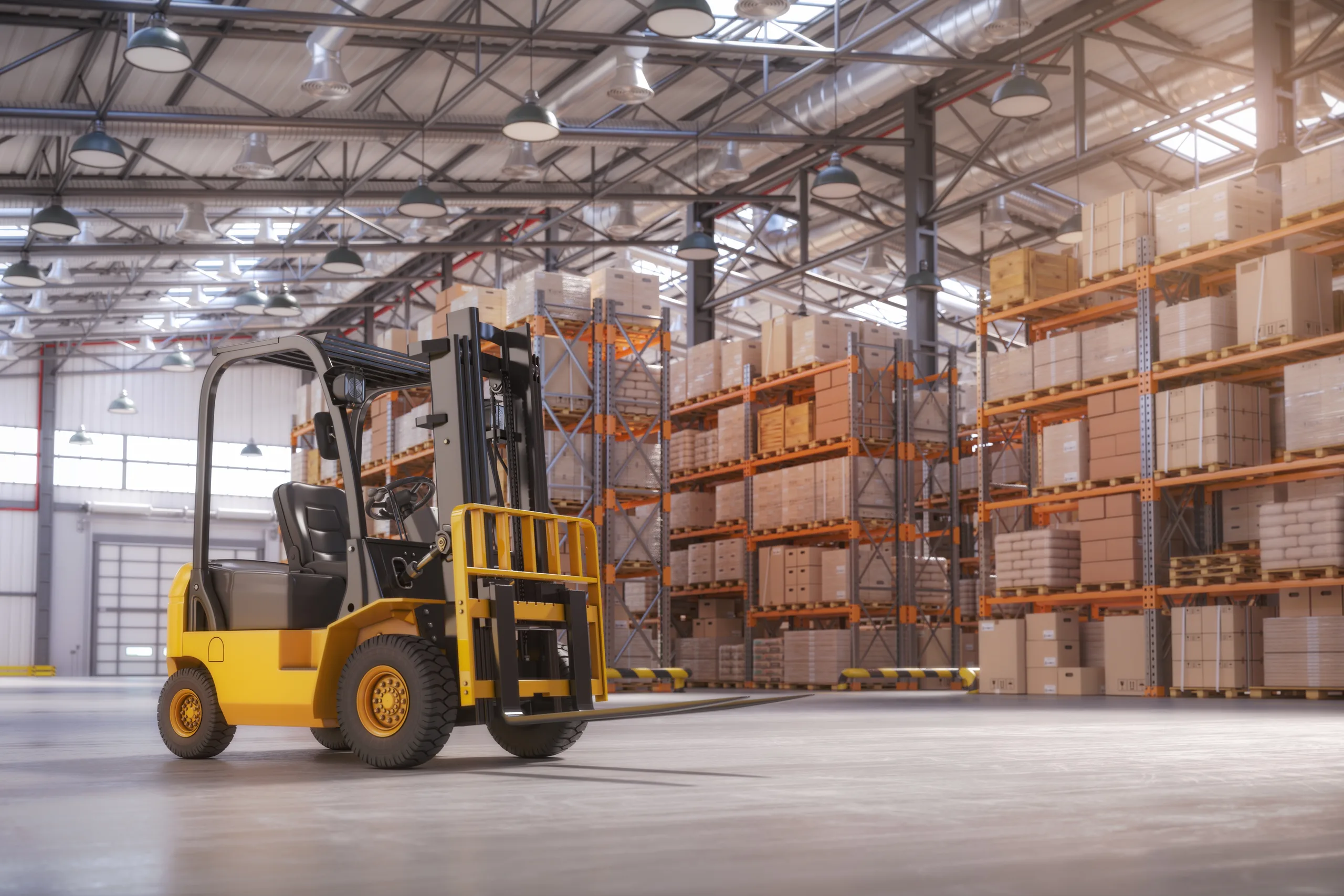

A Wyoming warehouse is usually holding somebody else’s property a very long way from that somebody. The shipper is in Denver, or Salt Lake City, or a corporate office in a state with an ocean. The goods are on your rack in Cheyenne because the building was cheaper on this side of the state line, or in Casper because the rig they are going to is two hours further north. And between the goods and their owner sits you — the bailee — with a roof that takes wind as a permanent condition rather than an occasional event.
Wyoming does not hand you much regulation to hide behind, and it takes one thing away entirely. There is no state license for a general warehouse here, so nothing but your storage contract defines what you owe your customer. And workers’ compensation is not something you can buy from an insurance company at all — it comes from the state fund or it does not come. Those two facts, one an absence and one a monopoly, shape the entire program.
Warehouse legal liability, when the owner of the goods is two states away
Take in a shipper’s freight and you become a bailee: you hold property that is not yours and you answer for it while it is in your care, custody, and control. That is the whole business, and it is the whole exposure. The fire in a rack aisle, the sprinkler head that lets go, the theft out of a trailer in the yard, the load that comes down when a rack bay is struck — in every one of those, the ruined property belongs to your customer.
Your general liability policy will not pay for it. That is not a gap somebody forgot to close; it is the form working as written. A standard general liability policy excludes damage to personal property in your care, custody, or control — and the customer’s goods on your rack are precisely, definitionally that. The loss you actually fear is carved out of your foundation policy by its own terms. Warehouse legal liability exists to answer exactly what that exclusion removes, and on a Wyoming page it leads, ahead of the building and ahead of everything else.
Distance sharpens it. When the owner of the goods is in another state and the loss happened in a building they have never walked, the argument that follows is a documentary one — what the warehouse receipt said, what the storage agreement said about the standard of care, and whether the limitation-of-liability language in it was accepted or negotiated away. We read those terms against the coverage before we bind, because in Wyoming there is no license and no statutory standard of care to fall back on. The contract is the regulation.
The elevator holds a license. The 3PL does not.
Wyoming does license warehouses — just not yours. The Department of Agriculture licenses and bonds grain warehouses and audits them for financial soundness, and that is a genuine, supervised bailment business: a licensed operator takes in a producer’s crop, issues a receipt against it, and answers for it under state examination and surety. It is also the entire extent of state warehouse licensing in Wyoming, and it is a grain program. It does not reach the contract warehouse in Cheyenne holding pallets of consumer goods for a Front Range retailer.
Food is the one place the state does come back into your building. Wyoming requires anyone processing, distributing, storing, or preparing food for wholesale or retail use to be licensed by the Department of Agriculture or a local health department — storage and distribution are named in the trigger itself, so a food warehouse is licensed on the same footing as a processor, with Consumer Health Services writing the rules and doing most of the inspection. A food-grade bailee in Wyoming is therefore a licensed premises holding regulated goods that still belong to someone else, which is a materially different posture from the dry-goods operator across town holding no license at all.
What Wyoming almost never is, is bonded. The state’s foreign-trade zone grant sits with the Natrona County International Airport at Casper, and that is the honest end of the story: no seaport, no land border, no meaningful bonded-warehouse economy. A Wyoming operator is very unlikely to be holding customs-bonded cargo, and we are not going to pretend otherwise in order to sell a coverage nobody here needs.
Wind, drift, and freeze — the perils that ruin a customer’s pallet
Wind is the Wyoming signature. Sustained high wind across open country, worst along the I-80 corridor through Laramie, Rock Springs, and Evanston, is a relentless load on a large roof plane, on rooftop mechanical units, and on any building envelope that was not detailed to take it. It also makes winter far worse, drifting snow into loads a flat warehouse roof was never designed to carry. Accumulated snow load and long hard freeze are structural and sprinkler-freeze problems in their own right. Hail works the eastern plains; wildfire is a rangeland and foothill exposure; flood belongs in its own placement.
Now say all of that again as a bailee. The wind does not simply lift membrane — it opens a roof over a customer’s inventory, and the water that follows finds the goods before anyone finds the breach. The freeze does not simply stress your sprinkler main — it turns a heat failure in a January storm into a total loss of somebody else’s temperature-sensitive stock. Two policies answer that one event and they answer separately: commercial property for the roof, the racking, and the business income you lose while the building cannot ship, and warehouse legal liability for everything on the floor that was never yours. A Wyoming operator carrying a healthy property limit and a thin bailee limit has insured the cheaper half of the loss. This is the model the warehouse insurance program is built around.
Comp you cannot buy from an insurance company
Wyoming is one of the four monopolistic workers’ compensation states, and for a warehouse employer that changes the shape of the whole program rather than one line of it. Coverage for the statutory line comes from the state fund administered by the Workers’ Compensation Division of the Department of Workforce Services. Private insurers are not permitted to write it. The state’s own insurance department will tell you the fund is the provider, and there is no shopping the line.
Two consequences follow, and the second one is the one that gets missed. First, the fund’s coverage does not carry employer’s liability — so the protection that answers an employee’s suit against the business has to be bought separately, as stop-gap employer’s liability sitting on a general liability policy from the private market. Second, none of this changes the injuries. Forklift and powered-industrial-truck contact, falls from docks and racking, material coming down from height, and lifting strain are the same claims in Cheyenne as they are anywhere else in the country. Only the place you buy the coverage moved.
What drives the price of a Wyoming warehouse program
We do not publish numbers, and any site that does is guessing. What we can tell you is what an underwriter actually reads on a Wyoming bailee submission:
- The value of the goods in your care — not your own assets. It is the number that sizes the warehouse legal liability limit, and it is the one owners understate most often, because the inventory is not on their balance sheet.
- The roof, and what the wind does to it. Age, deck, membrane, attachment, and rooftop equipment on an I-80 building are a different conversation from the same building in a sheltered valley.
- Heat, and what happens when it fails. Whether the goods you hold can survive a long freeze without it is the question behind a great many Wyoming cargo claims.
- Your storage contract — the limitation of liability, the standard of care, and whether your customers were told to insure their own goods.
- The employer’s liability gap — whether stop-gap is in place alongside the state fund, and how the forklift and dock exposure is actually managed on the floor.
- Claims history, which moves pricing more than most of the rest of this list put together.
Major Wyoming warehouse markets
Cheyenne
Where I-80 meets I-25, an hour and a half up the road from Denver — the one place in Wyoming a genuine third-party warehousing cluster has taken root, largely because a shipper can hold goods here in a cheaper building on the far side of the state line and still serve the Front Range. Those operators are ordinary bailees with no state warehouse license behind them, which means the storage agreement is the only document that defines what they owe when a customer’s pallet is destroyed.
Casper and Natrona County
The Natrona County International Airport holds the state’s foreign-trade zone grant, and Casper anchors the I-25 run north into the Powder River Basin. Duty-deferred custody is not what Wyoming warehousing is for, so a bailee here is far more likely to be holding a customer’s drilling or field-service inventory than a customs-bonded consignment — heavy, high-value units that damage differently from cartons when a rack bay lets go.
Gillette and the Powder River Basin
Coal country, worked by BNSF, with an oilfield and mining supply economy layered over it. A warehouse holding another company’s pipe, valves, bits, and chemicals is holding goods whose replacement value is high and whose delivery lead time is long — so a loss here is a business-interruption event for the customer as much as a property event, and the customer will look to the operator who had custody.
Laramie and the I-80 wind corridor
The stretch of I-80 where sustained high wind is a routine operating condition rather than a storm event. For a bailee that translates directly into roof and envelope risk on the buildings that hold other people’s goods, and into drifted snow arriving as a structural load on a roof plane that was never designed to carry it.
Rock Springs and the southwest
The western half of the I-80 crossing and the southwest energy economy, where regional supply warehousing serves operations measured in hours of drive time rather than miles. The remoteness is the underwriting fact: a temperature or roof failure here is discovered later than it would be in a metro building, and a customer’s goods spend that extra time getting worse.
Sheridan and the I-90 corner
The northeastern gateway, serving a rural retail and agricultural base out of a small number of buildings. Warehouses here often hold food and beverage stock for other companies, which puts them inside the Department of Agriculture’s food-storage licensing trigger — a state-licensed premises holding goods that still belong to someone else.
Evanston and the Utah line
The far western I-80 gate, functioning as the Wyoming end of freight that mostly begins or ends in Salt Lake City. Cross-state-line storage arrangements make the choice of law and the limitation-of-liability language in the storage contract something to read before a loss, not after one.
The licensed grain warehouses
The Wyoming Department of Agriculture licenses, bonds, and financially audits grain warehouses — a real bailment business with a real state supervisor. That elevator holds a producer’s crop under surety and examination; the 3PL down the highway holding pallets of consumer goods holds no license at all. Two custodians, two entirely different legal positions, one state.
If the goods are yours, you are on the wrong page
One honest signpost. This page is for the operator holding other people’s property. If your Wyoming business buys, holds, and resells its own product — an oilfield and drilling-supply distributor with pipe, valves, and chemicals in a Casper or Gillette yard, a regional food and building-materials wholesaler serving towns a half-day’s drive apart, or a beer distributor working the private tier the state left open — then your inventory is not a bailment at all. Your program leads from stock throughput and products liability, not from warehouse legal liability, and it has its own page: distributor and wholesaler insurance in Wyoming.
Some Wyoming businesses do both, holding a customer’s freight in one bay and their own stock in the next. If yours does, we place both sides — the distribution operation and the wholesale operation — and we map the seam between them first, because it is the seam that decides which policy answers.
Wyoming warehouse insurance FAQs
Does Wyoming license a public warehouse?
No. Wyoming has no general public-warehouse licensing statute for merchandise or distribution warehousing. The Wyoming Department of Agriculture runs a grain warehouse program that licenses and bonds grain warehouses and audits them for financial soundness — and that is the whole of state warehouse licensing here. It is a grain program, and it should not be read as a general public-warehouse license. For every other warehouse in the state, what you owe the goods you hold runs through the bailment relationship and the warehouse receipt rather than through a permit the state could suspend.
If the goods on my racks belong to a customer, what pays for them?
Warehouse legal liability — the bailee line. When a Cheyenne operator takes in a shipper’s freight it becomes a bailee: it holds property that is not its own and answers for that property while it is in its care, custody, and control. General liability will not answer for it, because a standard general liability form excludes damage to personal property in your care, custody, or control, and the customer’s goods on your rack are exactly that. The loss a Wyoming warehouse fears most is therefore carved out of its foundation policy by that policy’s own terms, and warehouse legal liability is the line written to answer what the exclusion removes.
Why can I not buy workers’ compensation from an insurance company in Wyoming?
Because Wyoming is one of the four monopolistic workers’ compensation states. Coverage for the statutory line comes from the state fund administered by the Workers’ Compensation Division of the Department of Workforce Services; private insurers are not permitted to write it, and the state’s own insurance department says the fund is the provider. The injuries do not change — forklift and powered-industrial-truck contact, falls from docks and racking, material coming down from height, and lifting strain look the same in Cheyenne as anywhere else. Only where you buy the coverage changes.
What is stop-gap employer’s liability, and does my warehouse need it?
It is the piece the state fund does not sell you. Wyoming’s fund coverage does not carry employer’s liability, so the protection that answers an employee’s suit against the business — as distinct from the statutory benefits the fund pays — has to be added as stop-gap employer’s liability on a general liability policy bought from the private market. A Wyoming warehouse owner who assumes the state fund closed the whole employee-injury question has left that gap open, and on a floor full of powered industrial trucks it is not an academic one.
What does Wyoming weather actually do to a customer’s goods?
Wind is the signature and it is relentless — sustained high wind across open country, especially along the I-80 corridor, working on a large roof plane, on rooftop mechanical equipment, and on any envelope that was not detailed for it. Winter makes it worse by drifting snow into loads a flat warehouse roof was never designed to carry, and accumulated snow load and hard extended freeze are genuine structural and sprinkler-freeze concerns that can also destroy stored goods that cannot take the cold. Hail hits the eastern plains and wildfire is a rangeland and foothill exposure. Reframe every one of those as a bailee peril: a roof breach or a heat failure in a January storm is a customer’s total loss, and the customer will not care that the weather caused it. Flood is its own placement, and there is no hurricane or seismic story here to invent.
Does a Wyoming warehouse holding food for other companies need a license?
Very possibly, and the rule is unusually direct about it. Wyoming requires anyone processing, distributing, storing, or preparing food for wholesale or retail use to be licensed by the Department of Agriculture or a local health department — storage and distribution are named right in the trigger, so a food warehouse sits on the same footing as a processor. Consumer Health Services inside the department writes the licensing rules and does most of the inspection. That makes food-grade storage-for-hire a licensed activity in a state where general-merchandise storage-for-hire is not, and it means a food bailee is holding regulated goods on someone else’s behalf.
Get a Wyoming warehouse insurance quote
Quotes in 1–2 hours during business hours.